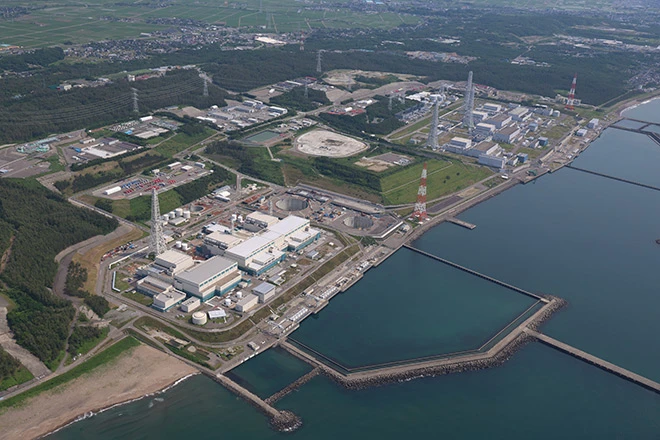
Japan has restarted a reactor at the Kashiwazaki-Kariwa nuclear power plant, the world’s largest by potential capacity. This is the first operation since the 2011 Fukushima disaster. The move comes amid local opposition and ongoing safety concerns. Japan aims to reduce fossil fuel use and meet growing energy demand.
TEPCO received approval from the Nuclear Regulation Authority to begin trial operations at 2 pm local time on Wednesday. The official restart is scheduled for 7 pm.
The plant is in Niigata Prefecture, about 220 kilometers northwest of Tokyo. It was completely shut down in 2012 after the Fukushima meltdown forced more than 100,000 people to evacuate. Only one of the plant’s seven reactors is restarting this week. TEPCO also manages the Fukushima Daiichi plant, which is now being decommissioned.
Local opposition remains strong. A survey in September showed 60% of residents oppose the restart, while 37% support it.
On Tuesday, a few dozen protesters gathered near the plant in freezing snow. “It’s Tokyo’s electricity that is produced in Kashiwazaki, so why should the people here be put at risk?” said 73-year-old Yumiko Abe.
Seven opposition groups submitted a petition with nearly 40,000 signatures. They highlighted the plant’s location on an active fault line and warned of potential earthquakes.
TEPCO has added a 15-meter-high tsunami wall and reinforced emergency power systems. Alarm systems and other safety measures have also been improved.
Despite these upgrades, residents remain worried. Minor technical failures and past cover-up scandals have fueled skepticism. TEPCO President Tomoaki Kobayakawa said, “Safety is an ongoing process. Operators must never be overconfident.”
Japan relies heavily on imported fossil fuels. Nearly 70% of electricity in 2023 came from coal, gas, and oil. Restarting nuclear plants helps reduce emissions and meet carbon neutrality goals by 2050.
Prime Minister Sanae Takaichi supports nuclear energy. Japan plans nuclear power to account for 20% of energy by 2040, up from 8.5% in 2023–24. Growing energy needs from technologies like artificial intelligence are also a factor.
The 2011 Fukushima disaster killed around 18,000 people. Decommissioning the plant will take decades. Memories of the catastrophe and TEPCO’s past issues keep public concern high. Many residents feel the risk of another disaster is unacceptable.