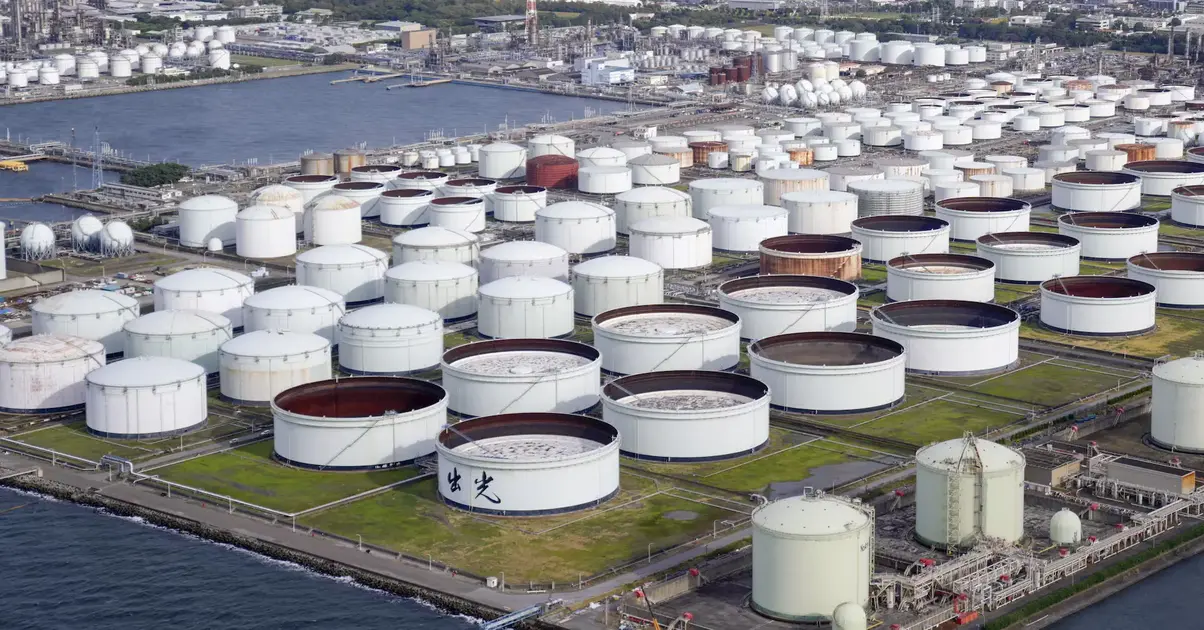
Oil prices jumped sharply as the Middle East conflict escalated. Global share markets fell at the same time. Investors feared fresh supply disruptions. Brent crude futures hit multi-month highs. Equities dropped across major regions. Traders assessed risks to energy flows and economic growth.
Oil markets reacted quickly to renewed military actions. Several armed forces are now involved in the conflict. Concerns over supply routes increased. Production stability also came under pressure. Brent crude climbed to around $82 per barrel. It marked one of the largest single-session gains in months.
West Texas Intermediate (WTI) futures also moved higher. Traders bought contracts to hedge against shortages. Analysts said prices rose as fighting continued. Key transit points faced growing threats. The Strait of Hormuz remains a major concern. Damaged tankers disrupted some shipping lanes.
Oil prices spiked after reports of fresh attacks. Counter-attacks damaged parts of energy infrastructure. Authorities rerouted vessels to avoid risk zones. Some defensive systems kept routes partially open. However, the geopolitical risk premium stayed high. That pushed energy prices even further.
Global share markets moved lower as caution increased. Investors reduced exposure to riskier assets. European indices in London and Frankfurt declined. Asian markets also opened weaker. Traders reacted to rising oil costs and uncertainty.
In the United States, stock futures pointed lower. The S&P 500 showed early weakness. Dow Jones futures also slipped. The tone signalled a cautious start to the week. Gold prices moved higher. Government bonds attracted fresh demand.
Analysts linked the equity sell-off to rising fuel costs. Higher energy prices may slow economic growth. Companies could face tighter profit margins. Consumers may cut spending if fuel stays expensive. Volatility in commodity markets added to pressure.
Energy companies saw mixed reactions. Some oil producers gained as crude prices rose. Exploration firms also benefited. Airline and transport stocks declined. Investors expect higher fuel costs to hurt profits. Markets tied gains in energy shares to tightening supply.
Natural gas and other fuel benchmarks also recorded significant increases, reinforcing widespread market expectations of broader energy cost inflation. Shipping companies and maritime service providers faced losses as conflict-related risks elevated insurance and operational costs for tankers transiting contested waters.
Economists and market strategists have attributed much of the recent surge in oil prices to what is described as a “geopolitical risk premium,” where traders price in the potential for future supply disruptions even before any long-term closure of major routes like the Strait of Hormuz. This narrow strait accounts for a significant share of global oil and LNG shipments and remains a focal point of regional tensions.
Some analysts noted that if hostilities prolong and tankers or infrastructure face repeated attacks, oil could test even higher levels, potentially nearing $90 to $100 per barrel in scenarios where flows become restricted or insurance costs soar. Others cautioned that production increases from Allied or neutral OPEC+ members might moderate sustained price spikes, but uncertainty remains high.
Rising oil prices have immediate implications for consumers and economic outlooks. Retail fuel costs are widely expected to climb in many regions if crude stays elevated, putting pressure on household budgets and contributing to inflation. Central banks may face renewed challenges balancing price stability with growth objectives if energy costs remain elevated.
Supply chain sectors that rely on petroleum inputs, such as agriculture and logistics, could see cost pressures pass through to broader commodity prices. This knock-on effect may contribute to inflationary trends already seen in several major economies, prompting renewed discussion among policymakers on energy and fiscal measures.
Market watchers are closely observing diplomatic signals, military developments, and economic indicators that could influence future price trajectories. If conflict de-escalates or supply assurances emerge, prices could retrace some recent gains. However, continued hostilities could keep energy markets volatile and equities under pressure.
Investors are also monitoring OPEC+ output decisions, inventory reports, and shipping developments through strategic chokepoints. Central banks and governments may increasingly factor energy cost trends into policy deliberations in the weeks ahead.