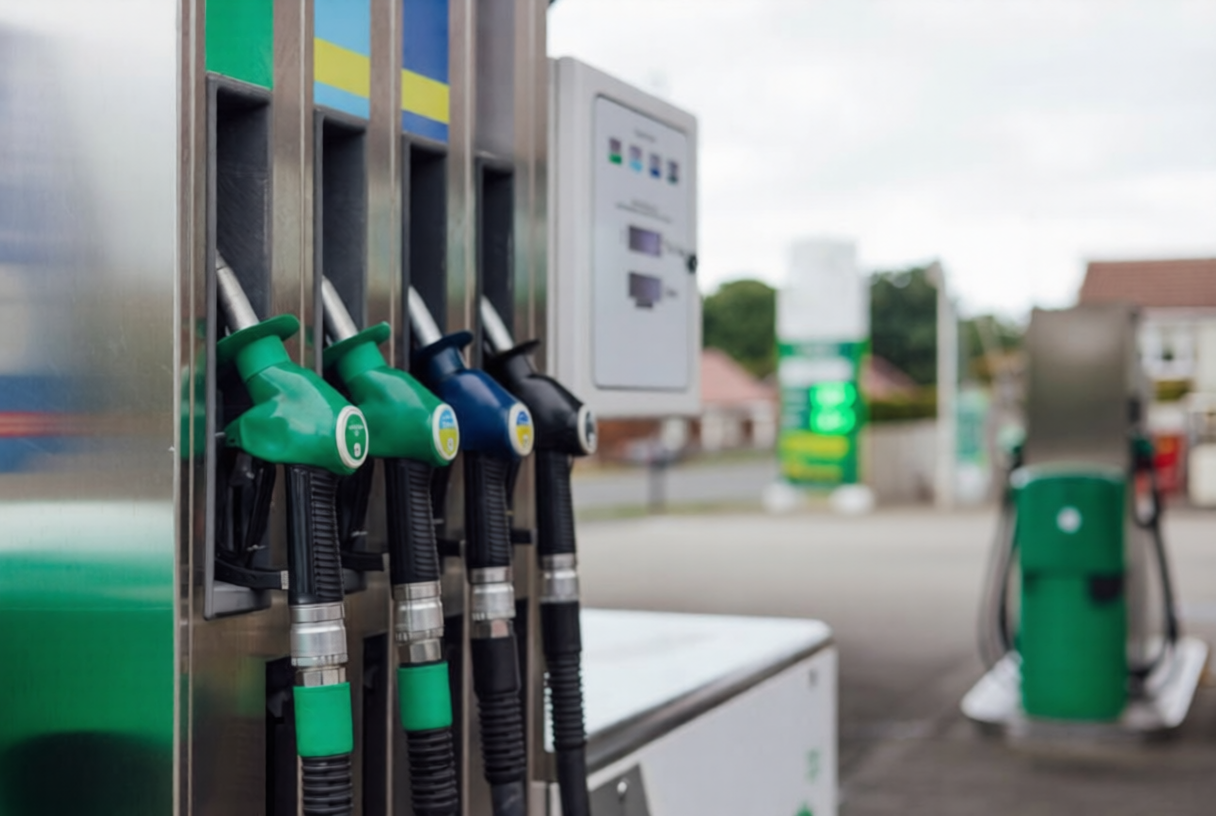
For the first time in nearly two years, the petrol price above 150p per litre has returned in the United Kingdom, creating renewed anxiety among drivers and households. The sudden increase reflects broader economic pressures, including global oil market fluctuations and persistent inflation.
According to recent data from fuel monitoring agencies, average petrol prices have crossed the 150p threshold, a level last seen during previous economic turbulence. As a result, millions of drivers are now facing higher transportation costs.
There are several reasons behind the recent surge in petrol prices. Firstly, global crude oil prices have increased due to supply constraints and geopolitical tensions. Secondly, refining costs and distribution expenses have also gone up.
Moreover, the weakening value of the British pound has made fuel imports more expensive. Therefore, even small changes in global oil prices can significantly impact local fuel costs.
Additionally, seasonal demand has played a role. During certain times of the year, fuel consumption increases, which puts extra pressure on supply chains.
The return of petrol price above 150p is not just a number—it directly affects everyday life. Many families already struggle with rising food and energy costs. Now, higher fuel prices are adding another layer of financial pressure.
For commuters, the situation is especially difficult. Those who rely on personal vehicles for work will have to spend more on fuel each month. Consequently, disposable income is shrinking, forcing people to cut back on other expenses.
Furthermore, delivery costs for goods may increase. Businesses often pass these additional expenses onto consumers, which leads to higher prices across multiple sectors.
Small businesses are among the hardest hit by rising fuel prices. For example, delivery services, logistics companies, and transport-dependent businesses face immediate cost increases.
As fuel expenses rise, profit margins become tighter. Therefore, some businesses may increase prices, while others might reduce services or staff. In extreme cases, prolonged high fuel costs can even lead to closures.
However, larger corporations may be better equipped to absorb these shocks, at least in the short term.
The petrol price above 150p is not just a UK issue—it reflects a global trend. Oil markets are influenced by international events, including conflicts, production cuts, and economic policies.
For instance, decisions by major oil-producing countries can significantly affect supply levels. At the same time, global demand continues to rise as economies recover and travel increases.
In addition, environmental policies and energy transitions are also shaping fuel prices. While governments aim to reduce carbon emissions, the shift toward renewable energy is still ongoing, leaving fossil fuels as a key energy source.
The UK government has previously introduced measures such as fuel duty cuts to ease the burden on consumers. However, with prices rising again, there are growing calls for further intervention.
Many citizens believe more support is needed. Social media and public forums are filled with concerns about affordability and economic stability.
On the other hand, some experts argue that fuel price fluctuations are part of a natural economic cycle. They suggest focusing on long-term solutions, such as investing in public transport and alternative energy sources.
Looking ahead, the future of petrol prices remains uncertain. If global oil prices continue to rise, petrol costs may increase further. However, if supply stabilizes, prices could gradually decrease.
In the meantime, consumers are advised to adopt fuel-saving habits. For example, driving efficiently, maintaining vehicles, and planning journeys can help reduce fuel consumption.
Additionally, many people are considering switching to electric vehicles. Although the initial cost is high, long-term savings and environmental benefits make them an attractive option.
Energy analysts suggest that the current situation may persist in the short term. According to market experts, volatility in oil prices is likely to continue due to ongoing geopolitical and economic uncertainties.
However, they also emphasize that the market can change quickly. Therefore, predicting long-term trends remains challenging.
The return of petrol price above 150p per litre marks a significant moment for the UK economy. It highlights the ongoing challenges faced by consumers and businesses alike.
While the situation may improve over time, the immediate impact is clear—higher costs, tighter budgets, and increased economic pressure. As the world navigates these uncertainties, both policymakers and individuals must adapt to the changing landscape.