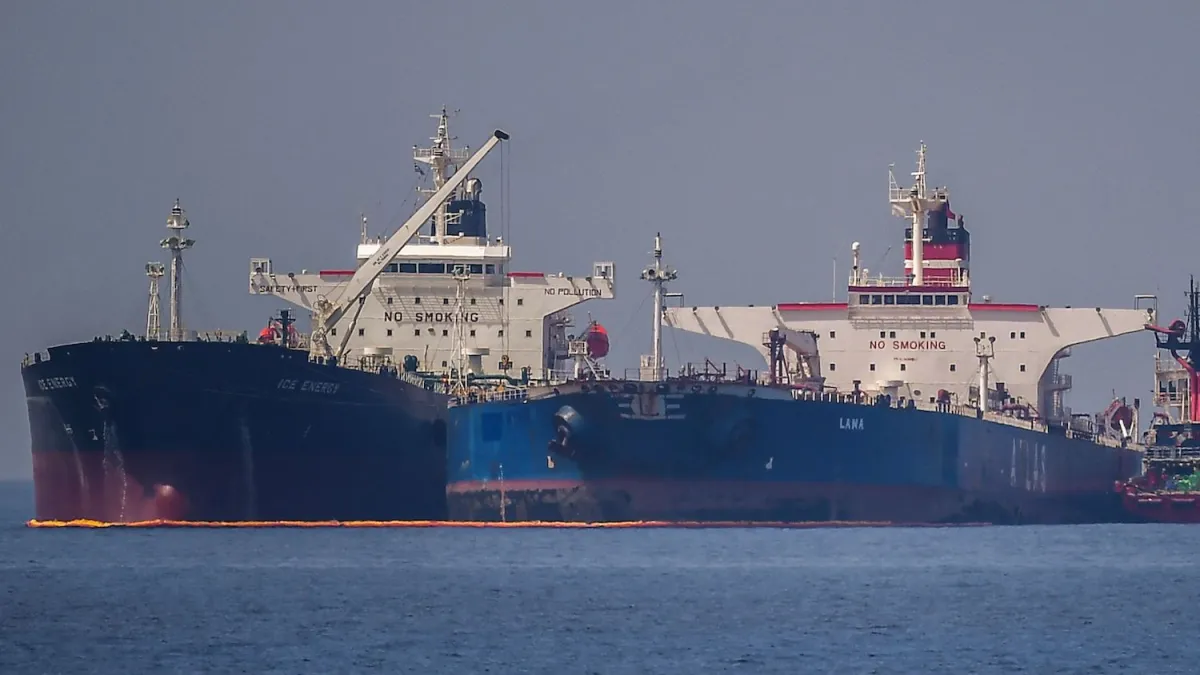
The Philippines has taken an unprecedented step in its efforts to steady a faltering fuel supply chain by receiving its first shipment of Russian crude oil in five years, a move driven by a national energy emergency triggered by global disruptions in oil markets.
The tanker Sara Sky — a Sierra Leone‑flagged vessel loaded with over 700,000 barrels of Russian crude — arrived at the Limay anchorage in Manila Bay earlier this week, according to shipping data and multiple reports.
This import marks a significant shift in supply strategy, as the Philippines has historically sourced nearly all of its crude from the Middle East, leaving it vulnerable when regional conflicts disrupted global oil flows.
President Ferdinand “Bongbong” Marcos Jr. declared a national energy emergency in late March, citing rapidly rising fuel prices, shrinking reserves and volatility caused by the ongoing conflict in the Middle East that has hindered shipments through key routes like the Strait of Hormuz.
Under this emergency declaration, the government said its existing fuel reserves could last roughly 45 days at current consumption levels.
The declaration empowers Manila to take swift action, streamline procurement from alternative suppliers and stabilize domestic supply. However, public pressure has grown amid surging pump prices and transport worker protests in several areas.
The Philippines’ move to import Russian crude became possible thanks to a temporary sanctions waiver from the United States. The waiver allowed Manila to receive oil shipments already loaded at sea.
Such waivers are rare. They are significant because Western sanctions have long limited direct purchases of Russian energy. This shipment is reportedly one of the first imports under this waiver.
Petron Corp., the Philippine refiner responsible for processing the crude, confirmed receiving the shipment after the waiver was issued.
Locally, fuel prices have climbed to levels not seen in years, squeezing both households and industries. Transport groups have voiced concerns about the rising costs of gasoline and diesel, and some planned walkouts in protest.
Economists and energy analysts say that importing crude from non‑traditional partners like Russia could help rebuild the country’s fuel reserves. They note that this may take time, and will not immediately reduce pump prices. That’s because logistics, refining capacity, and global market costs still affect final retail prices for consumers.
The Philippine government is also in talks with Washington to obtain waivers. These waivers would allow Manila to import oil from U.S.‑sanctioned countries such as Iran and Venezuela. The goal is to build a buffer stock of around one million barrels to strengthen the country’s fuel reserves. All options are still under discussion with U.S. officials.
To back its emergency response, the government has also activated a 20 billion peso (about $333 million) emergency fund. This fund aims to enhance fuel security and support strategic purchasing during the crisis. Officials say the measure shows the government’s commitment to keeping fuel supplies steady nationwide.
Under the declared national energy emergency, the government is coordinating fuel distribution. This effort is meant to stop hoarding and price manipulation. It also aims to ensure sectors like transportation, food supply, and industry keep functioning. Officials say maintaining operations in these critical areas is essential for daily life and the economy.
These efforts include establishing a crisis coordination committee with authority to fast‑track fuel procurement and manage distribution logistics during the emergency.
The decision to import Russian oil has drawn mixed reactions. Some citizens and commentators say the move is a pragmatic necessity amid constrained supply, while others worry about geopolitical repercussions and long‑term dependency on Russia. Much of the debate reflects broader global tensions over energy as nations struggle to cope with the effects of Middle Eastern conflicts on the oil market.
In the Philippines, political leaders and public groups have also questioned the transparency and sustainability of sourcing fuel beyond traditional partners, pointing to potential diplomatic and economic ramifications.
The Philippines isn’t alone in confronting energy insecurity. Across Asia and beyond, countries heavily reliant on imported crude are scrambling to diversify sources, tap strategic reserves, and negotiate flexible terms amid broader disruptions.
However, sudden supply shocks carry serious risks. Geopolitical events can trigger these shocks quickly. This situation highlights the need for long-term planning, investment in alternative energy, and stronger regional cooperation on energy security.
Even with short-term relief from the Russian crude shipment, Philippine officials say this is part of a broader transition strategy. The government aims for more resilient and diversified energy sourcing. It continues to engage multiple partners while balancing diplomacy in a volatile global energy market.
Experts warn that imports like these can stabilize immediate shortages. But lasting solutions will need structural changes in how the Philippines sources, stores, and manages energy for millions of consumers.