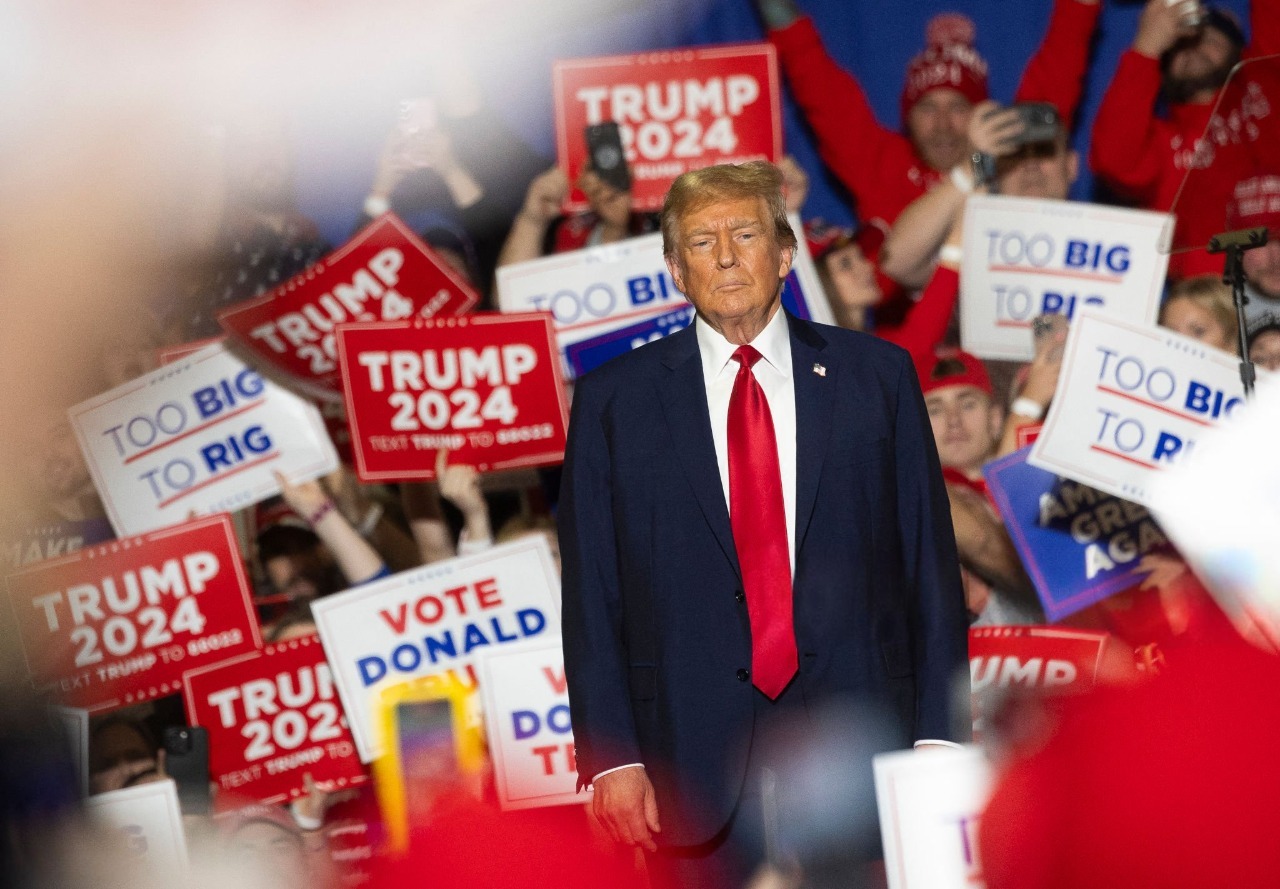
In early 2026, a notable shift is emerging among supporters of former President Donald Trump: Trump voter regret is visibly rising. Multiple national polls now show that a growing share of people who supported Trump in 2024 are expressing doubts about their choice or dissatisfaction with his policies. While the degree of regret varies across demographics, younger voters, white working-class supporters, and some core MAGA constituencies are increasingly questioning their 2024 decisions. Experts and analysts say this emerging trend could influence voter behavior and potentially reshape the 2026 election landscape.
Recent YouGov and Strength in Numbers/Verasight surveys indicate that between 13% to 16% of Trump voters now report some level of dissatisfaction. While only a smaller fraction, roughly 5%, would outright change their vote if given another chance, the share expressing “mixed feelings” or concerns has more than doubled in the past year. In April 2025, about 74% of Trump supporters were “very confident” in their vote choice, but recent polls show this figure has fallen to 62%, with the rest expressing doubts or uncertainty.
The rise in regret is more pronounced among younger voters under 30, where around 17% indicate dissatisfaction. Hispanic Trump voters also show higher-than-average regret, with roughly 16% expressing concerns. These trends suggest that voter expansion into new demographics in 2024 may be more fragile than initially thought.
Beyond individual regret, broader discontent is emerging in overall approval ratings. Harvard CAPS/Harris surveys report Trump’s job approval at 43%, with disapproval significantly higher. Disapproval has increased among Republicans themselves, from 85% support in 2024 to 79%, while Gen Z support has dropped from 38% to 25%. White working-class voters, historically a core support group for Trump, now report a negative approval balance, 49% approve versus 50% disapprove, signaling a critical weakening of the base.
Several factors contribute to rising regret. Economic pressures remain paramount. Many Trump supporters voted on promises of economic strength and growth. However, rising living costs, persistent inflation, and surging gasoline prices have generated frustration among voters expecting tangible improvements. Foreign policy also plays a role. Trump’s involvement in Middle East conflicts, particularly regarding Iran, has drawn criticism among supporters who prioritize domestic over international issues. Some voters, who initially backed Trump with high expectations, are encountering the reality of governance, leading to mild but measurable buyer’s remorse.
Political analysts caution that expressing regret does not always translate into changed voting behavior. Despite dissatisfaction, many Trump voters still indicate they would support him again. The shift is in the strength of loyalty rather than outright abandonment. Nevertheless, even minor shifts in voter enthusiasm among young, working-class, and minority populations could significantly impact midterm outcomes. The 2026 midterm elections could be particularly affected if undecided or discouraged voters stay home or switch sides.
While it is premature to declare a collapse of Trump’s voter base, credible polling highlights a clear rise in voter dissatisfaction and regret. Whether this trend consolidates or reverses as national events unfold remains uncertain. What is evident is that unwavering Trump loyalty, especially among newly mobilized voter groups, may be weakening. Observers will be watching voter sentiment closely in the months leading up to the 2026 midterms, as small but meaningful changes could determine the outcomes of key battleground races.