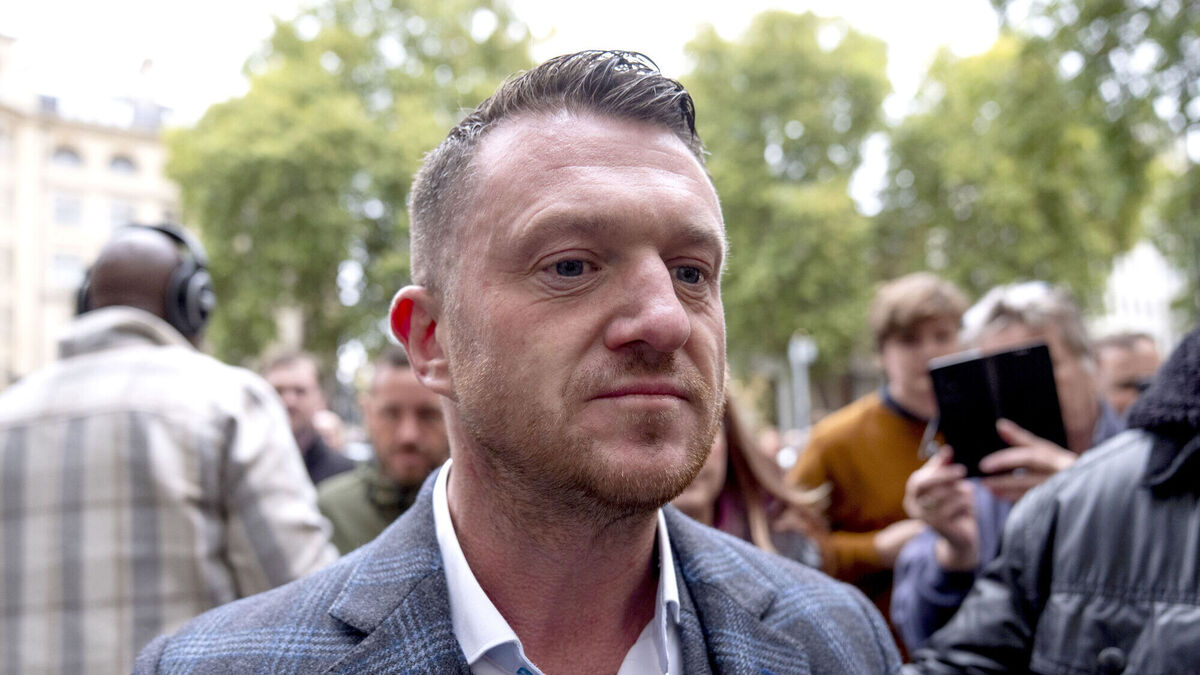
British far‑right activist Tommy Robinson claims US State Department talks during visit, asserting he met officials and discussed alliances while in Washington, D.C., an unofficial encounter that has ignited political debate in both the United States and the United Kingdom.
Tommy Robinson, whose birth name is Stephen Yaxley‑Lennon, shared on social media that he was “making alliances & friendships” in the United States and had received an invite to the @StateDept during his trip to Washington. In posts on the platform X, Robinson said the discussions formed part of his effort to build international connections.
Photos from the visit showed Robinson with Joe Rittenhouse, a senior adviser in the U.S. State Department’s Consular Affairs bureau, who publicly described him as a “free speech warrior.”
State Department officials described Robinson’s visit as “unofficial” and part of a broader tour, but they stopped short of confirming any formal talks, specific meeting schedules, or detailed agendas. Representatives declined to disclose who else Robinson met or the nature of any discussions.
In images shared online, Robinson is seen inside the John Quincy Adams State Drawing Room, a historic diplomatic reception space within the State Department that houses important American artworks and antiques.
Tommy Robinson has long been a divisive figure in British public life, known for his strong anti‑Islam and anti‑migration rhetoric. He founded the now‑defunct English Defence League (EDL), a street protest movement that drew large crowds and widespread criticism.
Robinson has faced multiple legal issues over the years, including convictions for assault, contempt of court, and using a false passport to enter the United States in 2012. He also organized major rallies in the UK, including one in London that attracted tens of thousands of supporters.
His social media presence remains considerable, and he frequently frames his activism around themes of immigration, national identity and “free speech,” making him a polarising voice in UK politics.
Officials at the United States Department of State have confirmed that Robinson was present at the department in an unofficial capacity, but they gave no additional details about formal meetings or planned discussions.
The limited comments from the State Department underscore the informal nature of the visit. They highlighted that Robinson’s presence was part of his broader tour in the U.S. rather than a scheduled diplomatic engagement backed by the department’s official agenda.
News of the visit has drawn swift reactions from politicians and commentators in Britain. Critics argue that any association with a figure known for divisive rhetoric could inadvertently lend legitimacy to extremist voices. They stress that democratic values should protect both free speech and social harmony, but remain cautious about unofficial engagements that blur diplomatic boundaries.
Supporters of Robinson, however, have welcomed his claims, arguing that his emphasis on free expression and political activism resonates with a segment of conservative thinkers. They point to Rittenhouse’s public praise as evidence that his message finds receptive audiences abroad.
Robinson’s trip comes amid heightened debate over how Western democracies balance free expression with concerns about extremist views. In recent years, the Trump administration has criticised European and UK regulations on online content and speech, positioning itself as a defender of broad free speech principles.
Some analysts see the visit as part of a larger narrative in which far‑right figures seek international platforms to amplify their messages. Others argue that engagement with controversial activists raises questions about how governments and institutions vet their interlocutors while preserving democratic norms.
The episode also reflects ongoing tensions over immigration policy, social media regulation, and the scope of political activism on both sides of the Atlantic.
At present, U.S. and UK authorities have not announced any further official meetings or future engagements involving Robinson. The State Department’s decision not to disclose additional details leaves open questions about the substantive outcomes of his visit.
Observers say that should further contacts between Robinson and U.S. policymakers emerge, the political response in the UK could intensify, especially among leaders wary of foreign influence in domestic politics. Analysts also note that Robinson’s continued social media reach means he will likely continue shaping narratives around free speech and activism, regardless of formal diplomatic engagement.
British activist Tommy Robinson’s claim that he engaged with officials at the U.S. State Department during his visit to Washington has sparked a transatlantic debate about free speech, political alliances, and diplomatic boundaries. While the encounter was officially described as informal, it has drawn both praise and criticism from political leaders, commentators and observers in both the U.S. and UK. As more details emerge, the visit may influence ongoing conversations about activism, international relations and the role of controversial figures in global political discourse.