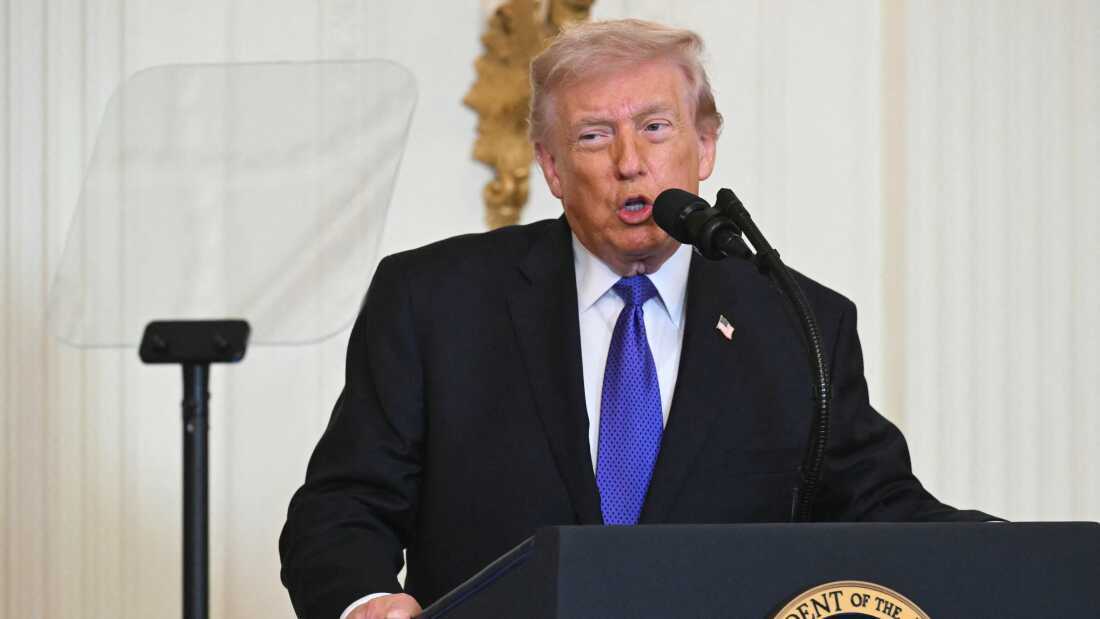
In a major development in the ongoing Middle East conflict, U.S. President Donald Trump hinted that the Iran war could end soon, emphasizing cooperation with Israeli leadership on timing, even as neighboring nations like the UAE and Turkey intercepted incoming Iranian missiles, underscoring both regional volatility and defensive readiness.
This report explores the latest battlefield updates, diplomatic signaling from Washington, and how Gulf states are responding to escalating tensions.
President Donald Trump said decisions about concluding the U.S. military campaign against Iran would be made jointly with Israeli Prime Minister Benjamin Netanyahu, marking a rare public acknowledgment of diplomatic components tied to military operations. Trump noted that discussions were underway and that timing for an end to hostilities “would be a great thing.”
Despite strong military rhetoric, including vows to maintain pressure on Iranian forces if needed, Trump’s comments hinted at a strategic calculation toward a potential resolution sooner than some analysts anticipated.
As tensions persist, Gulf states have reported multiple interceptions of Iranian ballistic missiles:
- Turkey confirmed that NATO air defenses intercepted an Iran‑launched missile in its airspace, marking the second such event in as many days.
- The United Arab Emirates also reported multiple interceptions of Iranian missiles and drones targeting its territory, with defense systems neutralizing threats before they reached populated areas.
These developments highlight the heightened state of alert among U.S. allies in the region, and the complexity of preventing Iran’s retaliation from escalating into broader conflict involving additional states.
The Iran‑U.S. war — which expanded after U.S. and Israeli strikes on Iranian targets — has seen an uptick in missile and drone exchanges. Gulf nations, including Qatar and Saudi Arabia, also confirmed intercepts of Iranian unmanned aerial vehicles (UAVs) and ballistic missiles, indicating Tehran’s broader attempt to pressure U.S. allies beyond direct confrontation with American forces.
Meanwhile:
- NATO assets remain active in protecting allied airspace, particularly in southeastern Europe and Eastern Mediterranean regions.
- The conflict has resulted in evacuations of diplomatic personnel from neighboring countries due to rising safety concerns.
- Global oil prices surged past $100 per barrel, reflecting fears of prolonged conflict disrupting regional energy exports.
Trump’s recent remarks about a mutual decision on conflict resolution with Israel point to a dual track of military engagement and diplomatic coordination. European nations and the U.N. have called for de‑escalation, while Gulf states balance defensive readiness with diplomatic warnings to Iran.
Some analysts believe that Trump’s hint at a possible end to the war reflects pressure from global markets and allied concerns over economic fallout, including rising inflation and market instability tied to Middle Eastern unrest.
Some lawmakers and commentators advocate for continued pressure on Iran until its missile and regional influence capabilities are dismantled.
Other voices warn against a protracted military engagement, highlighting the human and economic costs of extended conflict.
Trump’s suggestion that negotiations would involve strategic partners — not unilateral action — aligns with continuing U.S. interest in shared decision‑making with regional allies.