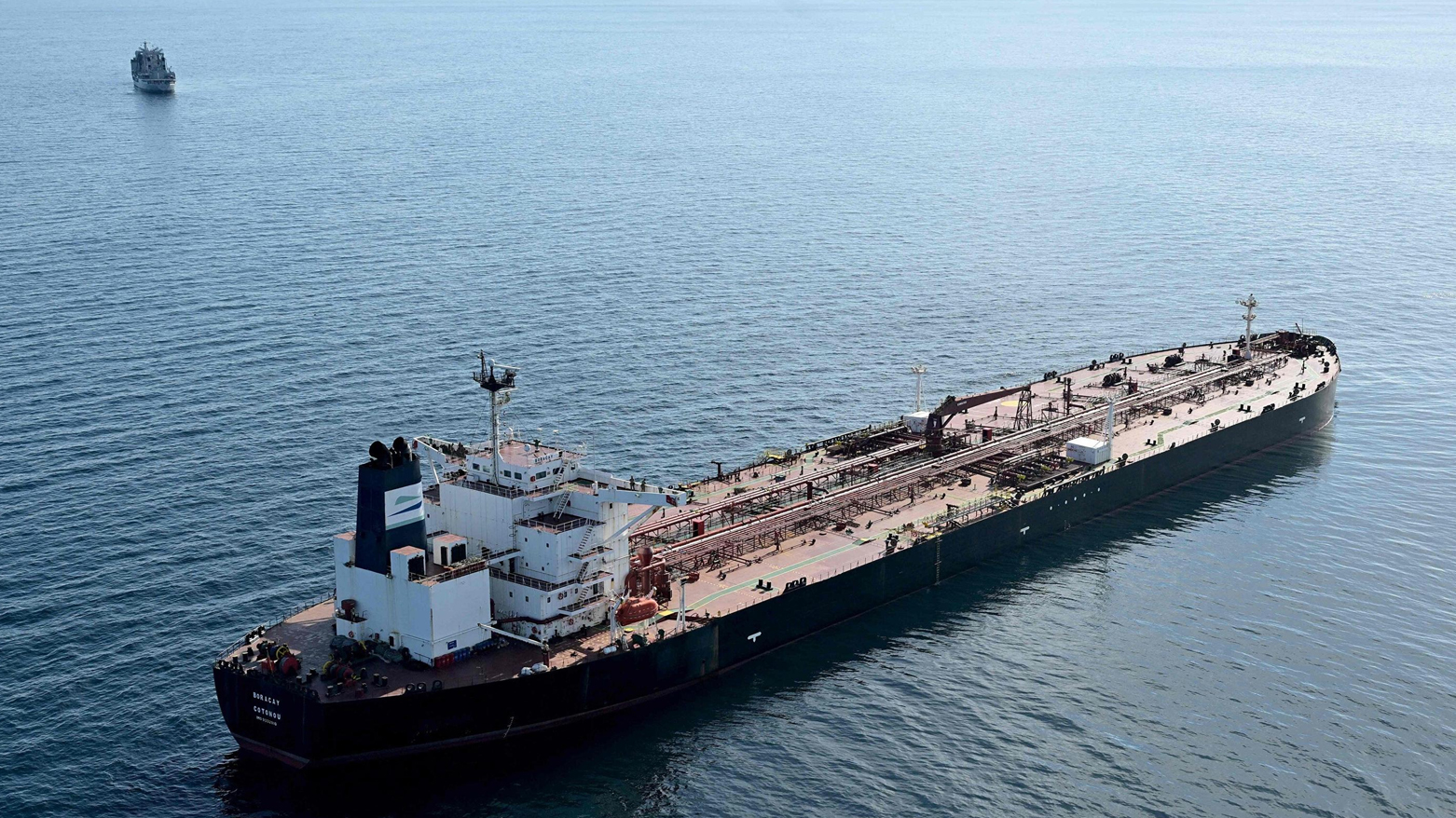
The United Kingdom has taken a bold step in its efforts to tighten sanctions on Russia, announcing it is now fully prepared to intercept and seize vessels linked to the so-called shadow fleet. This decision marks a significant escalation in maritime enforcement and reflects growing concern over how Russia continues to bypass international oil restrictions.
According to Defence Secretary John Healey, British forces are now “ready to act” after months of legal preparation, coordination with allies, and operational planning. The announcement signals a shift from passive monitoring to active intervention.
Moreover, officials say the move is designed to directly target the financial networks that sustain Russia’s ongoing war in Ukraine.
The term “shadow fleet” refers to a network of aging oil tankers used by Russia to evade Western sanctions. These ships often operate under unclear ownership, false flags, or without proper registration, making them difficult to track and regulate.
In many cases, these vessels transport crude oil through complex routes, including ship-to-ship transfers at sea. As a result, they help Russia continue exporting oil despite strict sanctions imposed after the Ukraine invasion.
Experts estimate that a large portion of Russia’s oil exports now relies on this hidden fleet. These ships not only undermine sanctions but also raise serious environmental and safety concerns due to poor maintenance and lack of oversight.
Initially, the UK government faced legal challenges in taking direct action against these vessels. However, a legal framework was established earlier in 2026, allowing authorities to board and detain sanctioned ships operating within British waters.
Therefore, after final approvals, British armed forces and law enforcement agencies now have the authority to intercept suspicious vessels. This includes the ability to board ships, detain them, and potentially seize cargo if sanctions violations are confirmed.
According to officials, this legal clarity was essential before taking any aggressive maritime action. Furthermore, the UK has worked closely with allies to ensure that such operations comply with international law.
Importantly, the UK is not acting alone. Several European countries, including France, Sweden, and Finland, have already taken steps to intercept shadow fleet vessels in their waters.
For example, recent operations by the French navy involved boarding suspected vessels in the Mediterranean. Similarly, northern European nations have pledged stronger cooperation to disrupt Russia’s oil trade.
Meanwhile, British Prime Minister Keir Starmer emphasized that cutting off oil revenues is critical to weakening Russia’s war capabilities. He stated that such measures aim to stop what he described as “profits funding aggression.”
However, this new strategy is not without risks. Russia has warned that intercepting its vessels could be seen as a hostile act, even labeling such moves as “piracy” in previous incidents.
There is also concern that Russian naval forces could begin escorting these tankers, increasing the risk of direct confrontation at sea. Additionally, the presence of armed personnel on some vessels adds another layer of complexity.
Furthermore, maritime experts warn that aggressive enforcement could disrupt global oil supply chains. Since shadow fleet ships carry a significant portion of Russian crude, any disruption may impact global energy prices.
Nevertheless, Western leaders argue that the long-term benefits outweigh the risks, especially if it reduces funding for the war in Ukraine.
One of the main goals of targeting shadow fleet ships is to weaken Russia’s economy. Oil exports remain a major source of revenue for Moscow, funding both domestic programs and military operations.
By seizing or detaining these vessels, the UK and its allies aim to:
- Increase transportation costs for Russian oil
- Reduce export volumes
- Discourage buyers from engaging in sanctioned trade
As a result, Russia may be forced to rely on longer and more expensive shipping routes. This could significantly reduce profit margins and limit its ability to sustain prolonged conflict.
Moreover, stricter enforcement sends a strong message to companies and countries involved in facilitating shadow fleet operations.
Beyond geopolitical tensions, there is also a growing environmental concern. Many shadow fleet ships are old and poorly maintained, increasing the risk of oil spills and maritime accidents.
In busy shipping lanes like the English Channel, even a minor incident could have devastating consequences. Therefore, intercepting these vessels is also seen as a preventive measure to protect marine ecosystems.
Additionally, experts warn that some ships may deliberately avoid safety regulations, making them even more dangerous.
Looking ahead, the UK is expected to increase surveillance and enforcement operations in key maritime routes. This includes deploying naval assets, intelligence systems, and coordinated patrols with allied nations.
At the same time, legal processes will play a crucial role in determining how seized vessels are handled. In some cases, ships could be detained, fined, or even repurposed under international agreements.
However, the situation remains fluid. As tensions rise, both diplomatic and military responses will shape the next phase of this conflict.
The UK’s readiness to seize shadow fleet ships marks a turning point in the enforcement of sanctions against Russia. It reflects a broader shift toward more aggressive and coordinated action among Western allies.
While challenges and risks remain, the move demonstrates a clear commitment to cutting off financial resources that fuel conflict. At the same time, it highlights the growing importance of maritime security in global geopolitics.
Ultimately, how effective this strategy will be depends on continued international cooperation and careful management of escalating tensions.