Large-scale trial will track wellbeing, sleep and relationships among 4,000 secondary school students
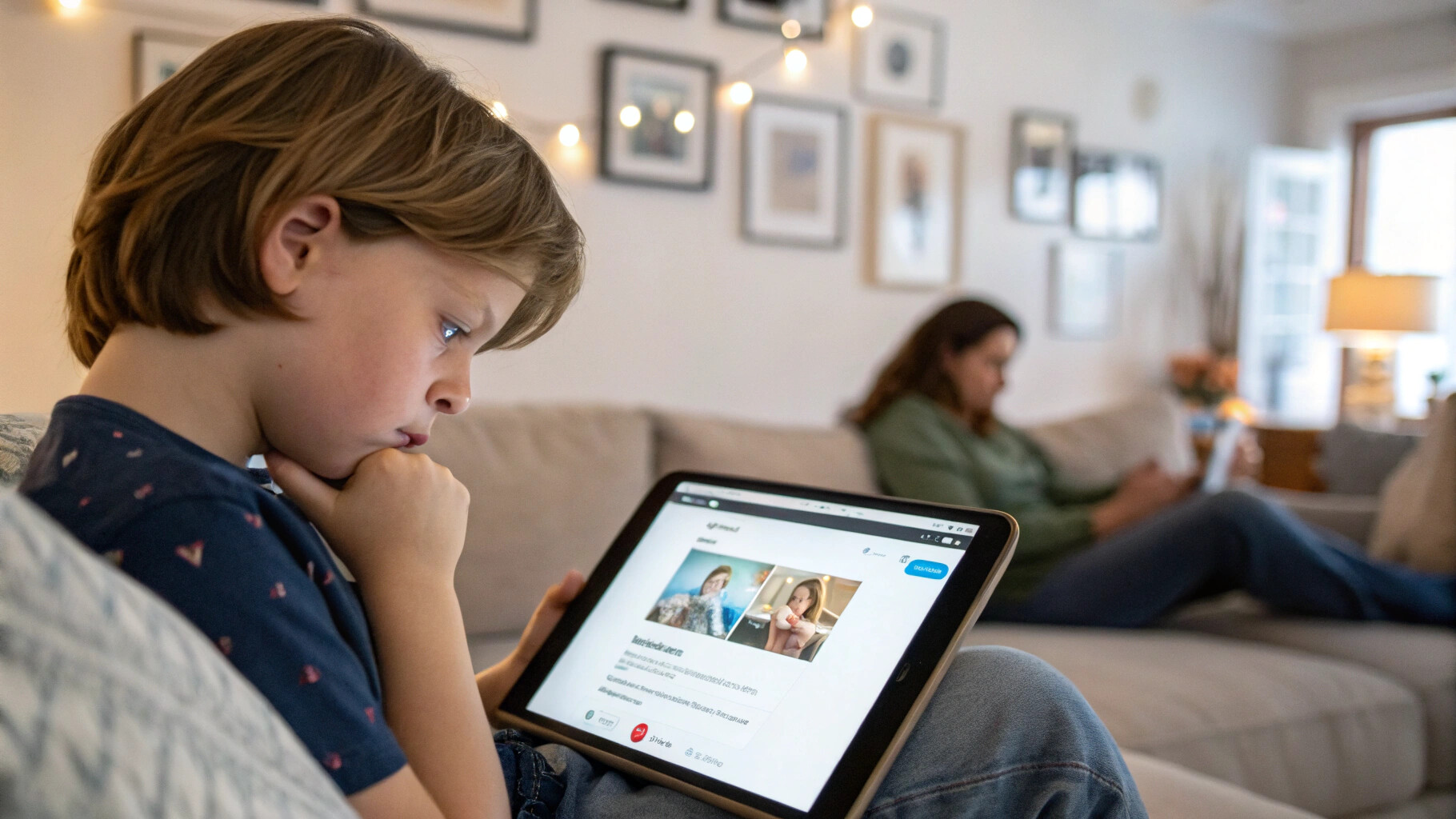
UK researchers have announced a major nationwide study to examine how restricting social media use influences children’s mental health, sleep quality, and social relationships, as pressure grows on governments to tighten rules around young people’s online activity.
The large-scale trial comes at a time when concerns over children’s exposure to social media are intensifying worldwide. Australia recently became the first country to ban access to social media platforms for children under 16, while the UK and several other nations are weighing similar policy options.
Although many experts agree that excessive social media use can negatively affect young people, researchers say there is still limited real-world evidence showing what actually happens when usage is restricted across entire peer groups rather than individual users.
“This is the first attempt to properly test the effects of social media limits at scale in everyday school environments,” said Professor Amy Orben from the University of Cambridge, who is co-leading the research.
The study will involve around 4,000 pupils from 30 secondary schools in Bradford, West Yorkshire. Students in years 8, 9 and 10 will take part, making it one of the largest experimental studies of its kind focused on otherwise healthy teenagers.
Participants will initially complete surveys assessing their mental health, sleep habits, friendships, and overall wellbeing. They will also install a secure research app on their main device to track usage patterns.
Within each school, entire year groups will be randomly assigned to one of two conditions. One group will have their social media activity monitored without restrictions. The other group will face limits, with access to major platforms capped at one hour per day and blocked entirely between 9pm and 7am.
Platforms covered by the restrictions include TikTok, Instagram, Facebook, X, Snapchat, YouTube, Reddit, and LinkedIn. Messaging apps such as WhatsApp will remain unrestricted, as researchers recognise their importance for communication with family members.
Professor Orben stressed that applying the same rules to whole year groups is crucial. Limiting social media use for a single child, she explained, could produce very different effects compared with restricting access for an entire peer group.
After six weeks, students will complete follow-up surveys to measure any changes in anxiety, mood, sleep quality, and social behaviour. A pilot phase is expected to begin in April, with the full trial launching in October. Initial findings are not expected until summer 2027.
Known as the IRL trial, the research will focus primarily on anxiety levels but will also examine depression, bullying experiences, time spent with friends and family, and patterns of app usage.
Dr Dan Lewer, co-lead of the study and head of the Bradford Centre for Health Data Science, said the goal is to give policymakers solid evidence rather than assumptions. He noted that understanding how different platforms affect young people differently is essential for informed regulation.
The announcement comes as members of the House of Lords prepare to vote on a proposed amendment that would introduce a full ban on social media use for children. If approved, the measure could move to the House of Commons for further debate.
Researchers emphasised that the trial operates independently of government decisions but said its findings could shape future policies in the UK and beyond.
“Our job is to produce the strongest possible evidence,” Professor Orben said. “What policymakers do with that evidence will be their decision.”