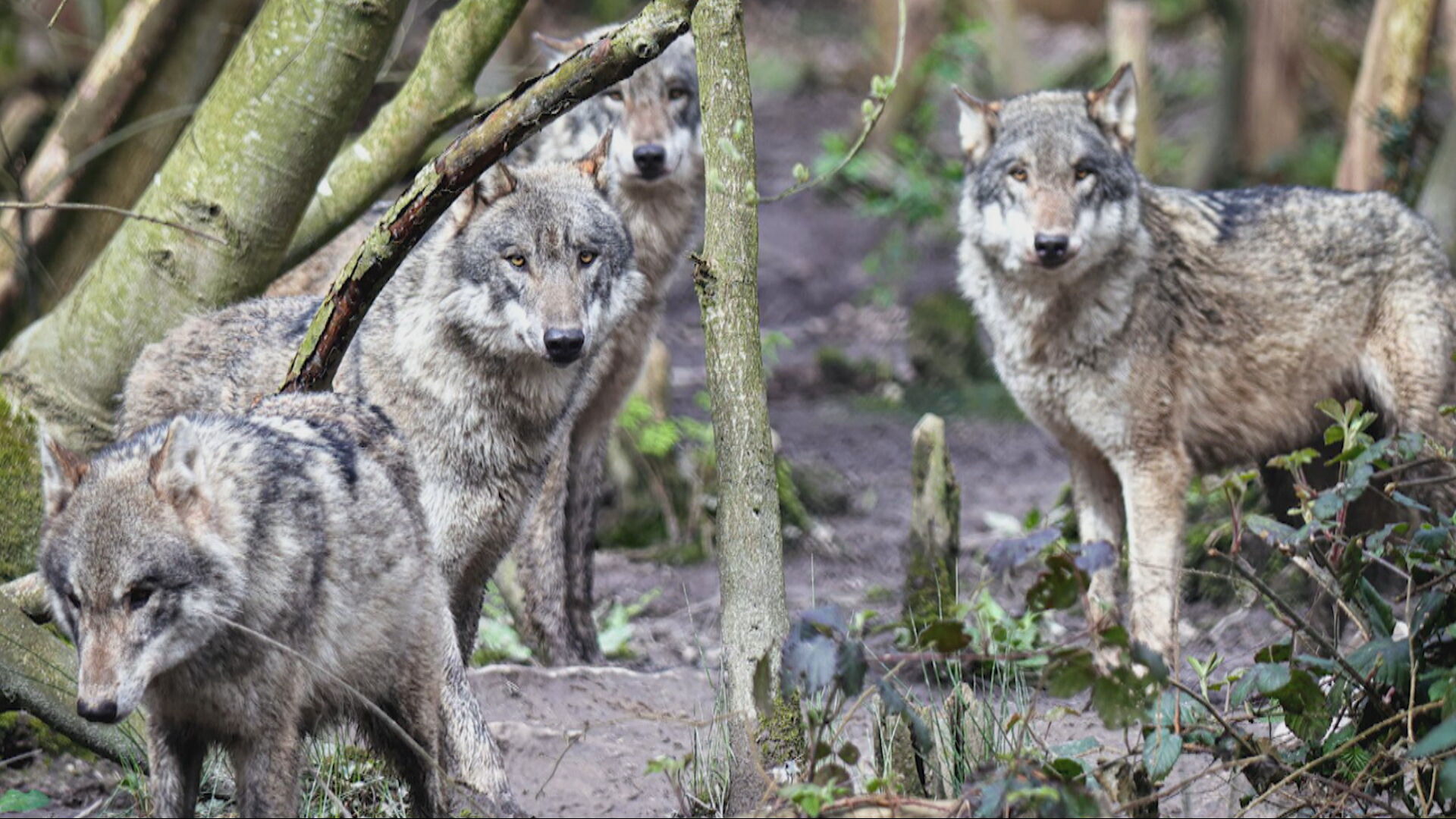
A heartbreaking incident at a UK wildlife park has shocked animal lovers and conservationists alike. The park authorities were forced to euthanize an entire wolf pack after the animals turned aggressively on each other, creating a dangerous and uncontrollable situation.
The decision, while controversial, has sparked widespread debate about animal welfare, captivity conditions, and the complex social behavior of wolves.
According to reports from BBC News and The Guardian, the situation escalated rapidly when members of the wolf pack began showing unusually aggressive behavior. Initially, the aggression appeared minor, as dominance struggles are common in wolf packs.
However, things soon took a darker turn. The aggression intensified into violent attacks among the wolves, leaving several animals injured.
Park staff attempted to intervene and manage the situation. However, due to safety risks and the unpredictability of the animals, their efforts were unsuccessful.
As a result, the management had to make a difficult decision to prevent further suffering and ensure safety.
Wolves are highly social animals that live in structured packs. Each pack typically has a hierarchy led by an alpha pair.
However, conflicts can arise, especially when:
- A dominant leader becomes weak
- New members challenge authority
- Environmental stress increases
- Resources become limited
In the wild, weaker wolves may leave the pack. However, in captivity, escape is not an option. Therefore, tension can build up more easily.
Experts explain that this confined environment can sometimes intensify natural instincts, leading to extreme outcomes.
The wildlife park stated that euthanasia was a last resort.
According to official statements cited by Sky News, the wolves had reached a point where their behavior posed a serious threat not only to each other but also to staff members.
Moreover, separating the wolves was not a viable long-term solution. Wolves rely heavily on pack structure, and isolating individuals can cause severe psychological stress.
Therefore, authorities concluded that euthanasia was the most humane option to prevent prolonged suffering.
The incident has triggered strong reactions across social media and among animal rights groups.
Many people expressed sadness and anger, questioning whether the situation could have been prevented.
On the other hand, wildlife experts and veterinarians have defended the decision. They argue that such incidents, although rare, can occur even under proper care.
Furthermore, they emphasize that animal welfare must always come first, even when decisions are emotionally difficult.
This tragic event has once again brought attention to the challenges of keeping wild animals in captivity.
While wildlife parks play an important role in conservation and education, they also face limitations.
For example:
- Limited space compared to natural habitats
- Artificial social groupings
- Human intervention in natural behaviors
As a result, animals may experience stress that can affect their behavior.
Therefore, experts suggest that wildlife parks must continuously improve enclosure design and behavioral monitoring systems.
This question remains at the center of public discussion.
Some experts believe that early signs of aggression might have been detectable. Therefore, intervention strategies such as behavioral enrichment or temporary separation could have been attempted earlier.
However, others argue that even with advanced monitoring, predicting such extreme behavior is extremely difficult.
In fact, similar incidents have been reported in wildlife facilities worldwide, although they are very rare.
The wildlife park has stated that a full internal review is underway.
Authorities are now analyzing:
- Animal behavior records
- Staff response protocols
- Enclosure conditions
Additionally, independent experts may be involved to ensure transparency.
The goal is to learn from the incident and prevent similar situations in the future.
This tragic event serves as a reminder that wild animals, even in controlled environments, retain their natural instincts.
While humans aim to protect and care for them, nature can sometimes take unpredictable turns.
Therefore, balancing conservation, safety, and animal welfare remains a complex challenge.