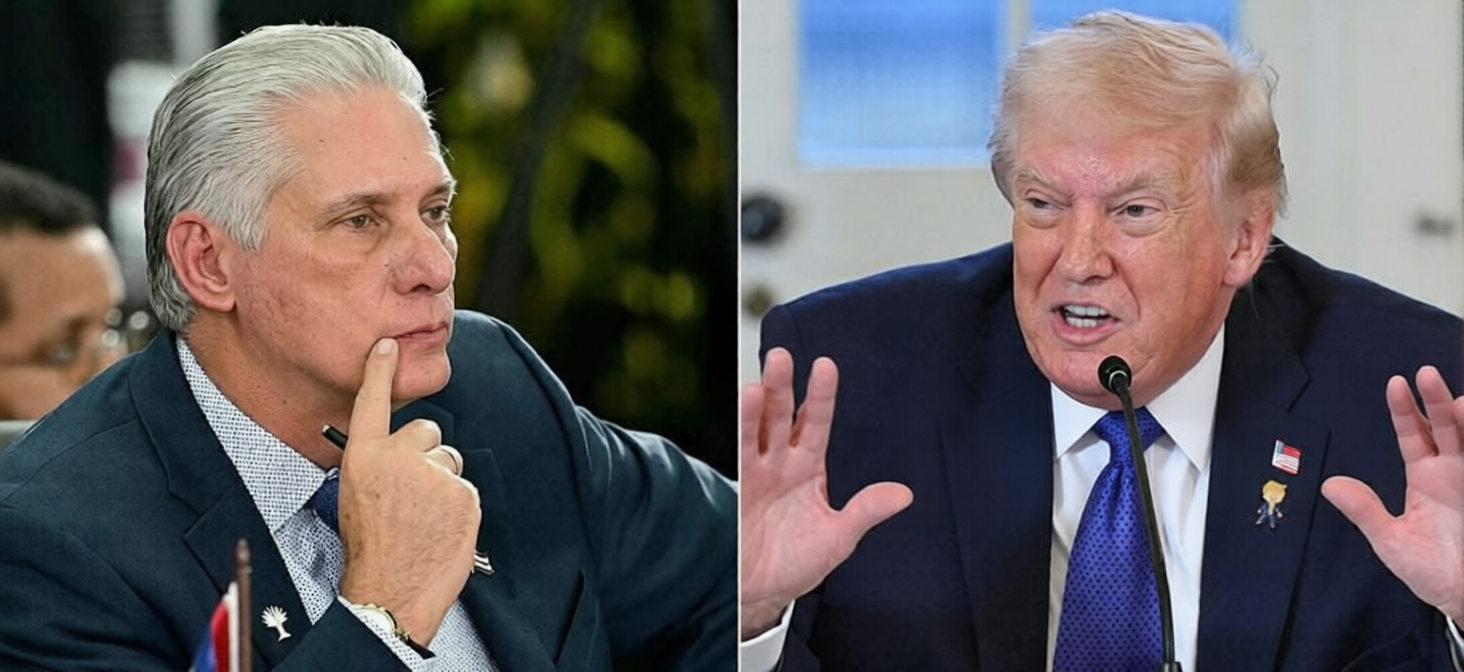
A possible US-Cuba deal has moved into the spotlight after a White House official revealed that former U.S. President Donald Trump believes an agreement with Cuba could be reached “very easily.” The statement comes as reports confirm that communication and negotiations between Washington and Havana have already begun.
The comment reflects growing diplomatic attention toward the Caribbean nation, which is currently facing one of its most severe economic and energy crises in decades.
According to a senior White House official, the United States has been in talks with Cuban authorities and President Trump believes that Cuban leaders should agree to a deal with Washington.
“As the President stated, we are talking to Cuba,” the official said, adding that Trump believes a US-Cuba deal could be made easily if Havana chooses to cooperate.
The remarks came after Cuban President Miguel Díaz-Canel publicly confirmed that discussions with the United States are underway to address longstanding bilateral differences. These talks reportedly aim to find diplomatic solutions to tensions that have shaped relations between the two countries for decades.
While the details of the negotiations remain unclear, analysts say the possibility of a deal could mark a significant shift in the historically strained relationship between the two nations.
The renewed diplomatic engagement comes at a time when Cuba is facing a severe economic and energy crisis.
Fuel shortages, blackouts, and shortages of basic goods have affected daily life across the island. Industries and public services have been disrupted due to the lack of petroleum supplies.
The crisis has been worsened by U.S. pressure and sanctions, including measures aimed at limiting oil shipments to Cuba. These policies have contributed to a sharp drop in fuel availability, which has triggered widespread electricity outages and economic hardship.
As a result, diplomatic talks have reportedly been initiated in an effort to address some of the tensions and economic challenges affecting the country.
In recent weeks, Trump has issued strong warnings about Cuba’s future while also suggesting that negotiations could lead to major political change.
He previously stated that Cuba might face a “friendly takeover” if its leadership fails to reach an agreement with Washington.
At the same time, Trump has argued that Cuba’s government is under pressure due to economic difficulties and declining support from allies.
According to reports, the U.S. administration believes Cuba’s current situation could push its leadership toward negotiating a deal with the United States.
Despite the tough rhetoric, officials say the United States is still pursuing diplomatic options rather than immediate confrontation.
Reports indicate that behind-the-scenes diplomatic discussions between the United States and Cuba have already taken place.
Cuban officials have acknowledged that early-stage negotiations have been held with U.S. representatives. These talks are reportedly being conducted through diplomatic intermediaries and are focused on exploring areas of cooperation.
The discussions are believed to involve senior political figures and officials close to Cuba’s leadership.
Observers say the talks could potentially cover issues such as economic restrictions, energy supplies, migration policies, and regional security.
Relations between the United States and Cuba have been tense for more than six decades. The conflict dates back to the Cuban Revolution of 1959 and the subsequent Cold War rivalry between the communist government in Havana and the United States.
Over the years, Washington has maintained a trade embargo and various sanctions on Cuba. These measures have been designed to pressure the Cuban government politically and economically.
There have been occasional attempts to improve relations. A brief diplomatic thaw occurred during the Obama administration in 2015, when the two countries restored formal diplomatic relations and reopened embassies. However, many of those policies were later reversed.
The current negotiations could potentially become another turning point in the complex relationship between the two countries.
If a US-Cuba deal were to be reached, it could significantly reshape political and economic relations in the region.
Possible outcomes could include:
- Easing of certain economic sanctions
- Expanded diplomatic cooperation
- Agreements on migration and security
- Potential economic support or trade opportunities
However, analysts caution that negotiations remain at an early stage, and major political differences between the two governments still exist.
Although the White House has suggested that a deal could be reached easily, experts say diplomatic negotiations between the United States and Cuba have historically been complex and unpredictable.
For now, both governments appear to be keeping details of the talks confidential while exploring whether a mutually acceptable agreement can be reached.
Whether the proposed US-Cuba deal becomes reality will likely depend on political decisions in both Washington and Havana in the coming months.