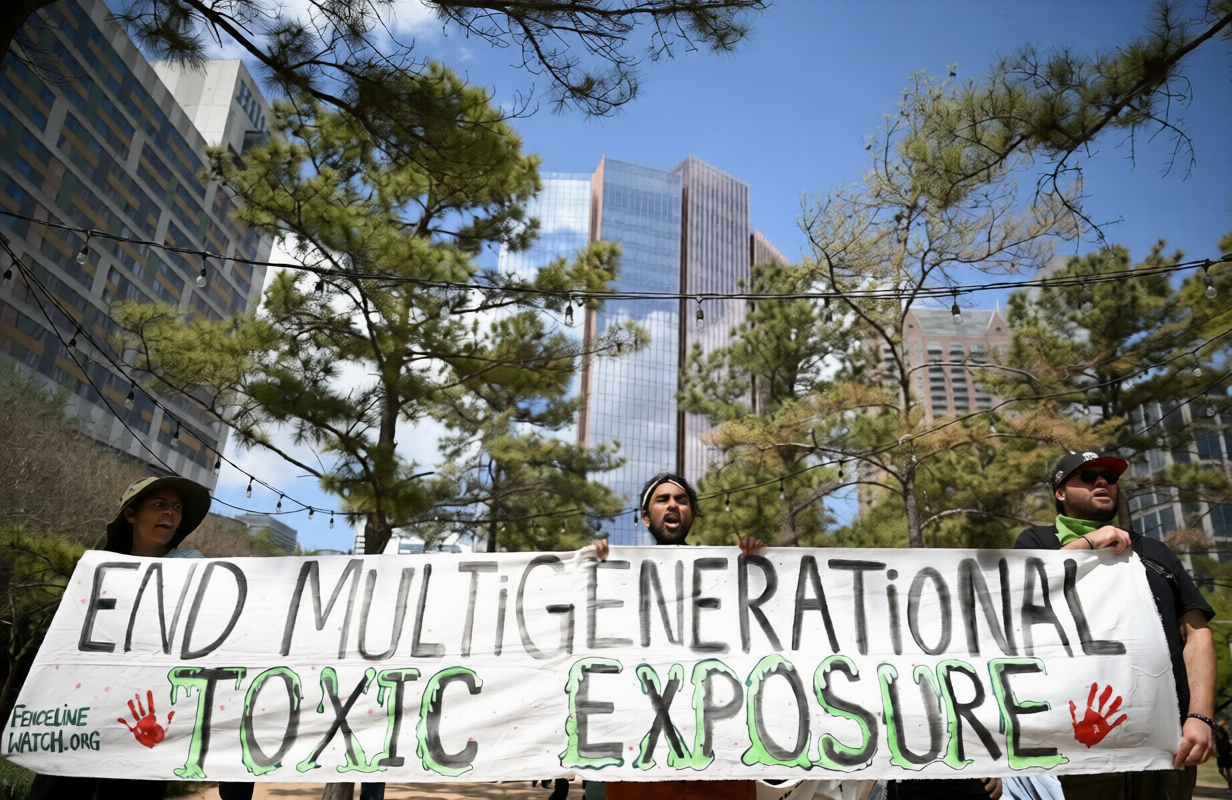
A new U.S. Environmental Protection Agency (EPA) watchdog report reveals that nearly 100 of the nation’s most contaminated Superfund waste sites are increasingly vulnerable to climate‑driven disasters such as flooding, rising sea levels and wildfires. The assessment, released by the EPA’s Office of Inspector General, has raised alarms among scientists, community advocates and environmental professionals.
According to the report, rising sea levels and stronger storm surges put 49 sites at risk, while 47 could experience inland flooding and 31 face wildfire threats. The EPA designated many of these sites for cleanup because they pose severe health and environmental risks, and their increasing vulnerability now adds another layer of danger.
Superfund sites are areas identified by the EPA as some of the most polluted locations in the United States. These include former industrial lands, chemical dumps and toxic waste pits that require extensive cleanup to protect local communities and ecosystems.
Historically, cleanup plans focused on containing or removing hazardous materials to prevent long‑term harm. However, the new watchdog findings suggest that climate change is itself undermining these protective measures, exposing vulnerable populations and environments to increased risk.
Experts warn that flooding or extreme weather can release toxic chemicals, causing consequences that extend far beyond damaged land. Residents living near these sites could face contamination of their drinking water, soil and air, which in turn can lead to serious health issues such as cancer, respiratory problems and neurological disorders.
Communities in coastal areas, especially those with limited economic resources, are considered the most at risk. Without urgent planning and investment, climate change could worsen longstanding environmental justice challenges and increase disparities in health outcomes.
These warnings emerge during a period of significant change to U.S. environmental policy. In recent months, the EPA under current leadership has pursued actions that critics say weaken climate protections and roll back regulatory standards that had helped reduce greenhouse gas emissions.
Climate scientists and advocacy groups have expressed concern that the combination of policy shifts and the growing impact of climate change could make it harder to protect vulnerable environments and communities. They argue that strong regulation and proactive climate adaptation strategies are essential to mitigating such risks.
Climate change is not just a future threat — it is a present reality. Record heat waves, rising sea levels and intensifying storms have already disrupted natural systems across the United States.
For example, scientists have noted that extreme weather events — such as prolonged heat waves in the U.S. West — would have been “virtually impossible” without the influence of human‑induced climate change. Such heat events contribute to drought, raise wildfire risks, and destabilize soil and containment structures that safeguard toxic sites.
Rising global temperatures also contribute to stronger hurricanes and increased rainfall in some regions, which can overwhelm outdated site‑containment systems and flood toxic waste pits. These dynamics highlight the complex intersection between climate effects and legacy pollution problems.
Legal experts suggest that the growing climate threat could spur new litigation over environmental liabilities, particularly if contaminated materials spread due to disasters. Cleanup plans often involve substantial taxpayer funds, and failures to adapt these plans to the climate era may result in higher long‑term costs and legal disputes.
Furthermore, the costs of inaction could be staggering. Federal, state, and local authorities may need to invest heavily in infrastructure to reinforce containment systems, redesign cleanup strategies, and protect affected communities — a process that could strain their budgets.
Environmental advocacy groups emphasize that climate adaptation must be central to future cleanup efforts. They argue that traditional strategies are insufficient given the accelerating pace of climate impacts.
Affected community members have shared concerns about the long‑term health implications of potential chemical releases. In regions where people depend on local water sources and agriculture, the fear of contamination is especially strong.
One climate health expert noted that without a coordinated national plan addressing both toxic waste management and climate risks, communities will continue to face compounded environmental and health crises.