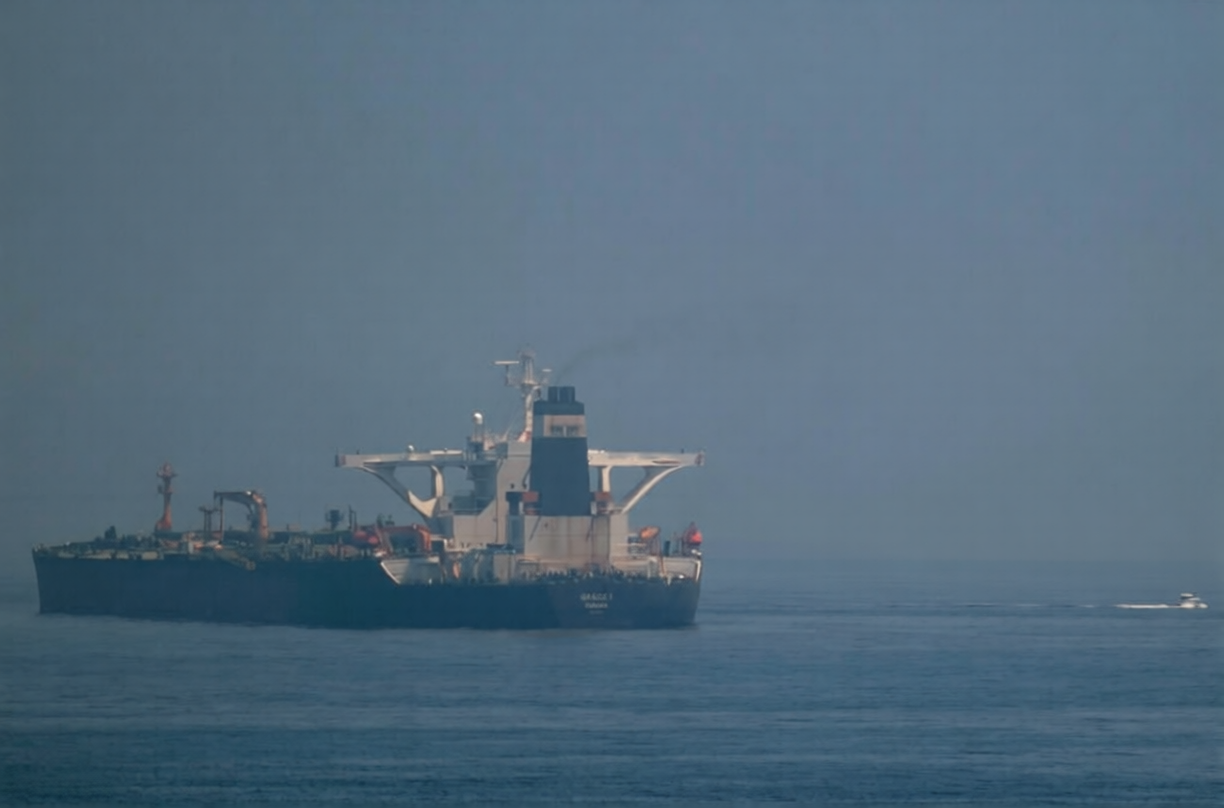
Temporary waiver releases 140 million barrels as global oil crisis deepens.
The phrase “US lifts Iranian oil sanctions” has quickly become a dominant topic in global energy markets, as Washington takes emergency steps to control rapidly rising fuel prices. In a surprising move, the United States has temporarily eased restrictions on Iranian crude, allowing millions of barrels to enter global supply chains.
This decision comes at a time when oil prices have surged past $100 per barrel, driven by geopolitical tensions and supply disruptions across the Middle East.
The policy shift was largely driven by a severe global energy crunch. The ongoing conflict involving Iran has disrupted critical oil routes, especially the strategically vital Strait of Hormuz, through which nearly 20% of the world’s oil supply passes.
As tensions escalated, Iran restricted shipping routes and targeted oil infrastructure, causing supply shortages and pushing prices sharply higher.
To counter this, the US government introduced a 30-day sanctions waiver, allowing Iranian oil already stranded at sea to be sold and delivered to global markets.
Although headlines suggest a major policy reversal, the reality is more limited. The decision does not fully remove sanctions on Iran’s oil sector. Instead, it allows:
- Around 140 million barrels of oil already in transit to be sold
- Temporary access to global markets
- No approval for new production or future deals
US Treasury officials emphasized that the waiver is narrowly targeted and designed to ease short-term supply pressure without significantly boosting Iran’s long-term revenue.
Oil prices have surged more than 50% in recent weeks, reaching levels not seen since 2022.
Several factors contributed to this spike:
- Disruption of Middle Eastern supply chains
- Attacks on energy infrastructure
- Reduced shipping through key oil routes
- Rising geopolitical uncertainty
As a result, fuel costs have increased globally, affecting everything from transportation to food prices.
To stabilize the market, the US has also:
- Released oil from its Strategic Petroleum Reserve
- Coordinated with international partners to boost supply
- Previously eased restrictions on Russian oil
The decision to allow Iranian oil back into the market is expected to benefit several key players:
1. Major oil-importing countries
Countries like China and India, which are large consumers of Iranian oil, may quickly take advantage of the additional supply.
2. Global markets
An increase in supply could help stabilize prices, at least in the short term.
3. Consumers worldwide
Lower oil prices could eventually reduce fuel and transportation costs for ordinary people.
Despite its economic intent, the move has sparked strong criticism.
Some analysts argue that easing sanctions—even temporarily—could provide Iran with additional financial resources during an ongoing conflict.
Critics also point out:
- The decision may contradict US foreign policy goals
- It could indirectly support Iran’s military activities
- The price relief may be limited due to ongoing instability
Energy experts warn that this measure may only provide short-term relief, without addressing deeper structural issues in the global energy system.
Interestingly, the announcement has already had an effect on Iran’s financial system.
Following the news, Iran’s currency showed signs of recovery, reflecting optimism about increased oil revenues.
However, strict banking sanctions remain in place, meaning Iran’s ability to fully access these funds is still restricted.
The decision to lift sanctions cannot be viewed in isolation. It is part of a broader strategy by the US to manage a complex geopolitical crisis involving:
- Military tensions in the Middle East
- Energy infrastructure attacks
- Disruptions in global trade routes
Recent strikes on key energy sites, including gas fields and oil facilities, have further intensified the crisis and reduced global supply.