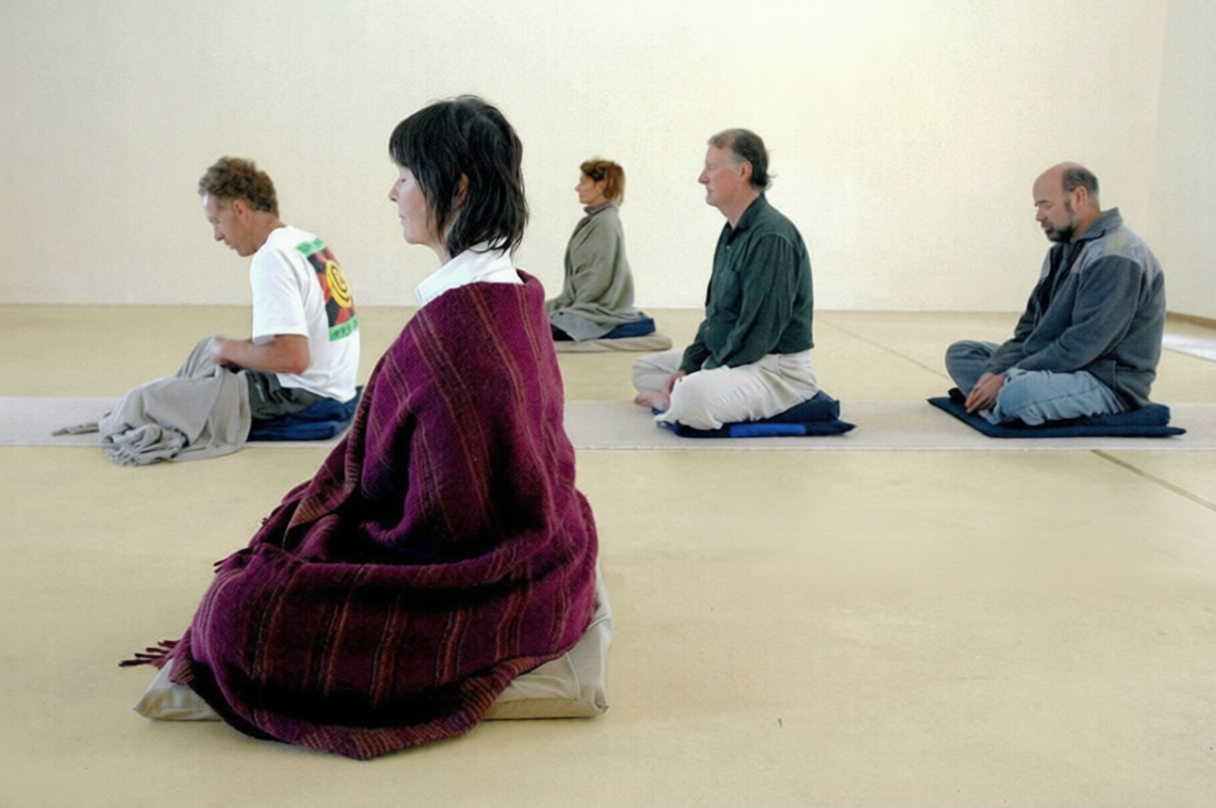
Vipassana meditation is more than a trend in wellness — it’s a centuries‑old practice that leads to deep mindfulness and liberation from mental suffering. Originating from ancient Buddhist teachings, Vipassana (meaning “to see things as they really are”) teaches practitioners to observe reality without judgment and react with clarity and compassion rather than habit and fear.
However, the journey into Vipassana isn’t simple or superficial. Instead, it asks aspirants to sit with their own mind, sensations, and reactions — often under strict discipline — so that they can explore the nature of thought, emotion, and identity. For many, the true practice begins after a 10‑day silent retreat, where participants learn the technique step‑by‑step and experience the benefits firsthand.
What Is Vipassana Meditation?
The word Vipassana comes from the ancient Pali language, translating loosely as “insight” — the direct observation of reality without self‑deception. It is rooted in the teachings of the Buddha over 2,500 years ago and taught today through international centers in a tradition revitalised by teachers like S.N. Goenka.
Unlike other meditation styles that focus solely on relaxing the mind or repeating mantras, Vipassana teaches mindful awareness of bodily sensations, thoughts, and emotions as they arise — and pass away — without reacting to them. This practice acts as a mirror into one’s own mental patterns.
Foundations of Practice: Silence, Discipline, and Observation
In a traditional Vipassana course, students observe strict rules:
- Noble silence: No speaking to other participants.
- Withdrawal of distractions: Phones, reading, writing, and outside media are prohibited.
- Code of moral conduct: Participants refrain from harming others, lying, stealing, sexual activity, and intoxicants during the course.
These foundational principles help settle the mind so practitioners can observe their own thought patterns with clarity. Over the 10 days, students spend many hours meditating, listening to teachers’ guidance, and gradually strengthening their mindfulness.
How Vipassana Cultivates Mindfulness
At its core, Vipassana is a method of mindful self‑observation. Rather than escaping from thoughts, meditators learn to sit with whatever arises. This means noticing:
- Physical sensations in the body
- Thoughts as they appear
- Emotional reactions without judging them
Through this observation, practitioners begin to see that sensations, thoughts, and emotions are impermanent and not essential to the self — a profound insight that helps loosen habitual reactions.
This kind of mindfulness extends beyond meditation sessions and into daily life, helping many participants respond to stress, conflict, and pain without impulsive reactions.
Benefits of Vipassana Meditation
Researchers and practitioners have noted various benefits from sustained Vipassana practice, including:
- Increased emotional regulation
- Reduced anxiety and stress symptoms
- Clearer thinking and decision‑making
- Greater sense of compassion and self‑awareness
- Heightened cognitive flexibility and resilience
Often, these benefits come not from meditation alone but from the consistent application of mindfulness in daily life — an ongoing practice of presence and awareness.
A Former Student’s Perspective: A Transformative Path
I first attended a Vipassana meditation retreat several years ago, feeling curious but uncertain about what lay ahead. The experience, I later realized, was going to be one of the most intense and transformative periods of my life. From the very first day, which is called Day Zero, the atmosphere set the tone for deep self-exploration. Registration was straightforward, but we were reminded to leave our mobile phones, wallets, and all personal distractions behind. Each participant was assigned a simple room; men and women stayed in separate accommodations, reinforcing a space of calm and focus.
At 8 PM that evening, we entered the Dhamma Hall together for the first time. The hall was serene, filled with participants from all walks of life, yet a powerful sense of shared purpose hung in the air. The organizers immediately established silence, and from that moment on, they required participants to communicate only internally — a discipline that would define the entire 10-day course.
The first three days of the retreat were dedicated to Anapana meditation, a practice of observing the natural rhythm of the breath. We were instructed to focus on inhalation and exhalation without judgment or reaction. Even the simplest sensations — the subtle movement of air at the nostrils, the rising and falling of the chest — became objects of deep attention. This initial practice, though seemingly simple, began teaching me patience, concentration, and awareness of the present moment.
From Day Four onwards, the course transitioned into Vipassana meditation, where we learned to scan our entire body systematically. The instructor guided us to observe each sensation with equanimity, neither clinging to pleasant feelings nor resisting discomfort. The process was gradual, step by step, but remarkably effective. Even the servers at the retreat, who silently moved about to bring meals and attend to practical needs, actively maintained the sanctity and discipline of the course environment thanks to their high level of training.
Despite the silence and intense focus, there was a profound sense of community without words. Over the ten days, the final day, known as Metta Day, introduced loving-kindness meditation. For the first time, we practiced extending unconditional compassion to all beings — friends, strangers, even those we felt neutral or conflicted toward. This moment truly amazed me because we actively cultivated love and empathy, which were not just abstract ideals but grew deeply from the structured practice and discipline of Vipassana.
By the end of the retreat, I realized that the transformation was not just about meditation — it was about learning to observe, understand, and relate to the mind and body with clarity, patience, and compassion. The organizers carefully designed every moment, from the initial registration to the final Metta Day, to guide participants toward mindfulness, self-awareness, and ultimately, a sense of liberation.
This journey, though challenging and at times uncomfortable, offered a glimpse of freedom from habitual reactions, fear, and restlessness. I truly understood for the first time how equanimity and compassion run deep and how structured, disciplined practice can naturally cultivate these qualities.
Modern Scientific Insights
In recent research, scientists have begun to understand how meditation like Vipassana affects brain activity. A study on Buddhist monks using advanced brain‑mapping technologies found that Vipassana increases neural complexity and cognitive flexibility — suggesting a balance of stability and adaptability that supports emotional well‑being.
This adds a modern lens to an ancient practice: Vipassana isn’t just about calming the mind — it’s about transforming how the brain processes information and engages with experience.
Mindfulness as Liberation
Vipassana meditation remains one of the most respected techniques for developing insight and mindfulness. Through disciplined practice, participants learn to observe life as it is, without attaching to judgments or fears — a fundamental step toward liberation. Although liberation itself is a lifetime journey, each moment of mindful presence moves practitioners closer to freedom from suffering.
For those who are willing to sit with themselves, even through discomfort, Vipassana not only offers meditation but also provides a way to see the world with clarity, compassion, and purpose. Moreover, by practicing consistently, participants gradually develop deeper self-awareness and equanimity.
For authentic information about courses, centers, and retreats worldwide, you can visit dhamma.org, the official site for Vipassana meditation centers and schedules.