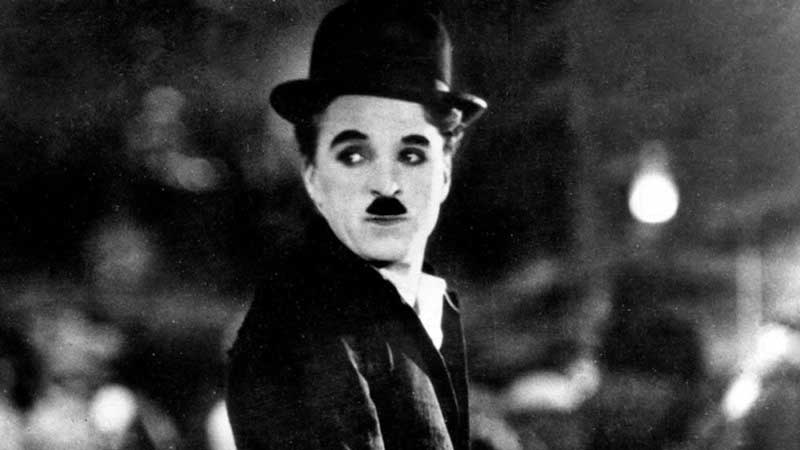
Ninety-five years after its premiere, Charlie Chaplin’s silent classic City Lights continues to captivate audiences around the world. Its final scene, where Chaplin’s Tramp reunites with the blind flower girl, is celebrated as one of cinema’s most emotional and enduring moments. Film historians, critics, and directors often cite this ending as a key reason why the movie remains timeless.
Chaplin’s Personal Favourite
When asked by Life Magazine in 1966 which of his films he regarded as his favourite, Chaplin honoured City Lights above all others. Humble as ever, he added: “I think it’s solid, well done.”
Since its premiere at the Los Angeles Theatre on 30 January 1931, the silent romantic comedy has garnered consistent acclaim. Chaplin’s iconic Tramp character falls in love with Virginia Cherrill’s blind flower girl, who mistakenly believes he is a wealthy man.
The British Film Institute’s first list of the greatest films of all time, released in 1952, placed City Lights joint second alongside Chaplin’s The Gold Rush (1925). Influential directors including Stanley Kubrick, Orson Welles, and Andrei Tarkovsky cited it as a personal favourite. Screenwriter James Agee hailed it as featuring “the greatest piece of acting and the highest moment in movies.”
The Making of the Final Scene
The emotional impact of City Lights rests largely on its final sequence. After helping the flower girl pay her rent and obtain medical treatment to restore her sight, the Tramp later discovers she now runs a successful flower shop. Standing outside, tattered and humble, he is finally recognised by the woman he loves. The camera slowly closes in on their faces before fading to black, creating a moment of pure poignancy.
Charles Marland, author of BFI Classics: City Lights, describes this scene as “the definitive example of Chaplin’s mastery.” Chaplin used tight framing and close-ups to intensify emotion, a technique he reserved for tragedy and drama, while long shots were used for comedy. The soundtrack, complex and layered, further heightens the audience’s emotional response.
Chaplin and Cherrill rehearsed multiple takes of the final exchange. Marland notes that Chaplin aimed for “a beautiful sensation of not acting…slightly embarrassed, delighted about meeting her again, apologetic without getting emotional.” Cherrill recalled noticing Chaplin’s unusual physical reactions during filming, which contributed to the authenticity of the performance.
Leaving the Ending Open to Interpretation
Part of what makes City Lights timeless is Chaplin’s choice not to provide a clearly defined ending. While romantics may believe the flower girl ultimately accepts the Tramp’s love, others argue her response mixes vanity, amusement, and pity. Jeffrey Vance, author of Chaplin: Genius of the Cinema, observes that when the flower girl first sees the Tramp, she giggles and gives him money out of compassion rather than affection.
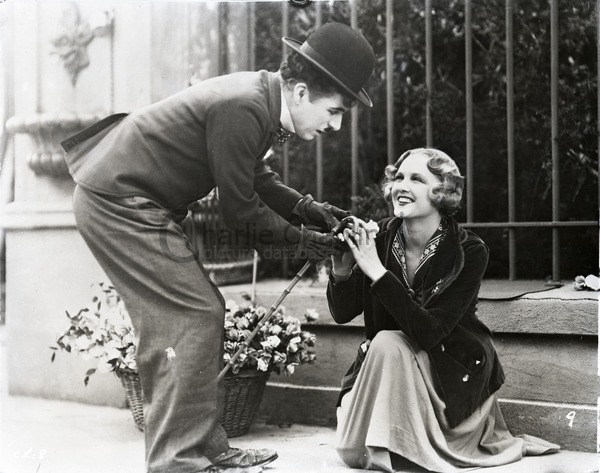
This ambiguity allows viewers to interpret the story for themselves. Chaplin’s performance transitions from overjoyed, terrified, and ashamed to quietly excited, giving the sequence a layered emotional texture. Over decades, this subtlety has ensured City Lights remains a reference point for filmmakers and audiences alike.
Legacy and Influence
The influence of City Lights stretches far beyond its release. Directors and film scholars continue to study Chaplin’s framing, pacing, and performance techniques. The Tramp’s final look at the flower girl has inspired countless filmmakers attempting to capture similar emotional resonance.
The film also highlights Chaplin’s unique ability to blend comedy and pathos seamlessly. Scenes of slapstick and humor build empathy for the characters, making the final moments more impactful. The delicate balance between laughter and emotion in City Lights has rarely been matched in cinema history.
Why City Lights Endures
Nearly a century after its release, City Lights endures because it combines technical mastery, emotional depth, and universal storytelling. Chaplin’s careful attention to detail, along with the authenticity of the actors’ performances, creates a timeless cinematic experience.
The final shot, subtle yet profoundly moving, reminds audiences of the power of silent cinema. Its artistry continues to evoke discussion, admiration, and inspiration, securing Chaplin’s place as one of the greatest filmmakers of all time.