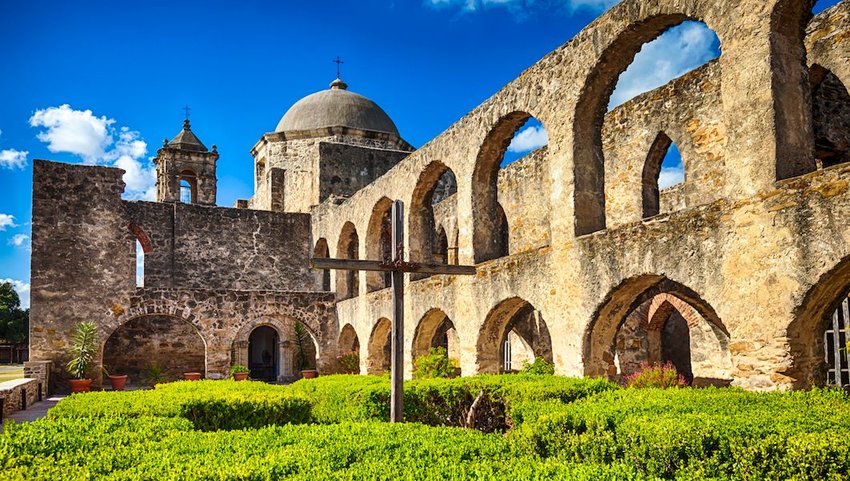
From ancient civilizations to modern landmarks, heritage shapes identity, memory, and the future
Across the globe, heritage sites stand as silent witnesses to humanity’s shared journey. From ancient temples and historic cities to cultural traditions passed down through generations, world heritage represents far more than old stones or preserved rituals. It reflects who we are, where we came from, and how societies have evolved over centuries. In recent years, both global and American heritage have gained renewed attention as communities confront climate change, conflict, urban development, and shifting cultural identities.
Heritage is no longer viewed as something frozen in the past. Instead, experts increasingly see it as a living resource—one that plays a vital role in education, tourism, diplomacy, and sustainable development.
Understanding World Heritage
World heritage refers to places, landscapes, and cultural practices considered to have outstanding value to humanity as a whole. These sites range from ancient ruins and historic towns to sacred natural landscapes and traditional knowledge systems. What unites them is their ability to tell stories that transcend borders and generations.
Globally recognized heritage sites often serve as educational tools. They help younger generations understand ancient engineering, artistic expression, governance systems, and spiritual beliefs. At the same time, they remind modern societies of the consequences of neglect, war, and environmental damage.
However, safeguarding world heritage has become increasingly complex. Rising sea levels threaten coastal ruins. Armed conflicts have destroyed irreplaceable monuments. Rapid urbanization often places development pressure on historic districts. As a result, international cooperation and local community involvement are now seen as essential to long-term preservation.
American Heritage: A Diverse and Evolving Story
American heritage reflects a layered and sometimes difficult history. Indigenous cultures, colonial settlements, African American experiences, immigrant communities, and industrial growth have all shaped the national story. Historic landmarks, museums, oral histories, and cultural traditions together form a broader understanding of what heritage means in the United States.
In recent years, there has been growing recognition that American heritage extends beyond monuments and presidential homes. Native American sacred sites, civil rights landmarks, labor history locations, and immigrant neighborhoods are increasingly acknowledged as vital parts of the national narrative.
This shift reflects a broader cultural reassessment. Many Americans now view heritage not as a single story, but as multiple voices—some long ignored—finally being heard.
Heritage and Identity
Heritage plays a powerful role in shaping identity. For communities, it provides a sense of belonging and continuity. For nations, it supports cultural diplomacy and international recognition. For individuals, it connects personal stories to larger historical movements.
In the United States, debates over historical symbols and monuments have highlighted how heritage can be both unifying and divisive. Some see preservation as honoring history, while others argue that certain symbols reflect injustice or exclusion. These discussions show that heritage is not static—it evolves as societies reassess their values.
Globally, similar debates exist. Former colonial landmarks, contested religious sites, and repatriation of artifacts continue to spark international dialogue. These conversations, though difficult, often lead to more inclusive interpretations of history.
Heritage and Sustainable Development
Heritage preservation increasingly intersects with sustainability. Many historic practices—from traditional architecture to agricultural methods—offer lessons for climate adaptation. Indigenous knowledge systems, for example, provide insights into land management and biodiversity protection.
Tourism linked to heritage sites also supports local economies when managed responsibly. Community-led tourism initiatives help ensure that economic benefits reach residents while protecting cultural integrity. However, over-tourism remains a challenge, particularly at globally famous landmarks.
Experts now emphasize balance: protecting heritage while allowing access, education, and economic opportunity.
Education and Digital Preservation
Technology has transformed how heritage is preserved and shared. Digital archives, 3D scanning, and virtual tours allow people worldwide to experience sites that may be physically distant or endangered. These tools also create backups in case physical structures are damaged or lost.
In American schools and universities, heritage education increasingly includes digital storytelling, oral history projects, and community partnerships. This approach encourages students to see history as relevant and connected to present-day issues.
Globally, digital heritage initiatives have helped document endangered languages, rituals, and crafts—ensuring they are not lost to time.
Threats to Heritage
Despite growing awareness, heritage remains under constant threat. Climate change accelerates erosion, flooding, and extreme weather damage. Conflict zones face deliberate destruction of cultural symbols. Illegal trafficking of artifacts continues to undermine global heritage protection.
In the US, underfunding of preservation programs and infrastructure decay pose significant risks. Many historic sites rely on tourism revenue, making them vulnerable during economic downturns or global crises.
These challenges highlight the need for long-term policy commitment and international cooperation.
The Future of World and American Heritage
Looking ahead, heritage preservation will depend on adaptability and inclusivity. Experts argue that future efforts must prioritize community voices, especially those historically marginalized. Heritage should not only reflect power and dominance, but also resilience, creativity, and shared humanity.
In the US, expanding the definition of heritage helps foster national unity through honest storytelling. Globally, heritage diplomacy can build bridges between nations, encouraging dialogue rather than division.
As societies face rapid technological and environmental change, heritage offers grounding—a reminder that progress and preservation can coexist.
Why Heritage Still Matters
World and American heritage matter because they help societies understand themselves. They offer lessons from past successes and failures. They inspire creativity, empathy, and responsibility.
Preserving heritage is not about resisting change. It is about carrying forward the knowledge, values, and stories that help humanity navigate the future with wisdom and respect.