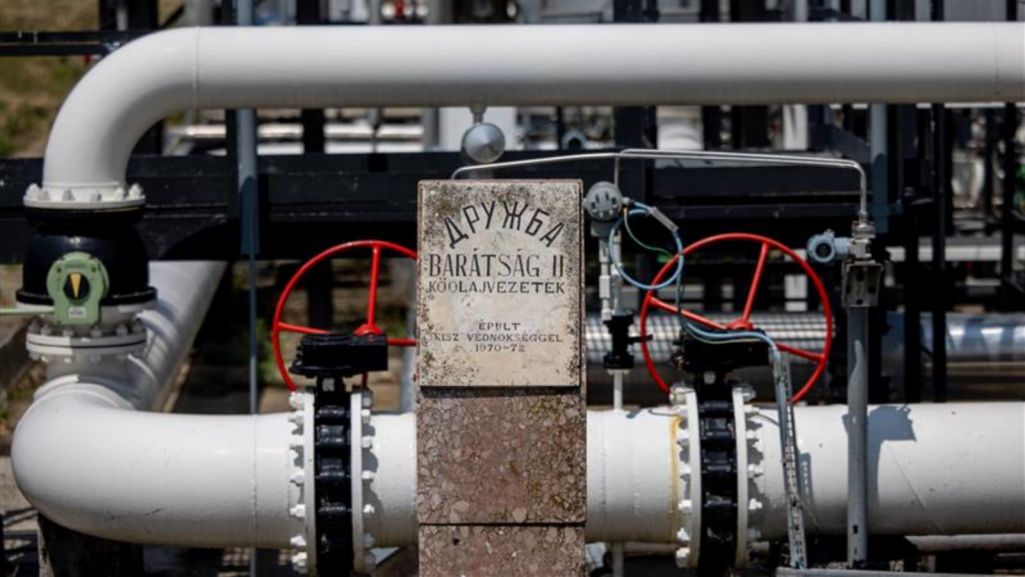
Tensions between Ukraine and some European Union members have sharply increased after Ukrainian President Volodymyr Zelensky accused allies of using “blackmail” over the reopening of a key Russian oil pipeline.
The dispute involves the Druzhba pipeline, which transports Russian crude oil through Ukraine to Central Europe, including Hungary and Slovakia. These countries want the pipeline restored quickly, creating a diplomatic standoff that threatens European unity amid the ongoing war with Russia.
Europe now faces a complex choice: support Ukraine fully or meet the economic and energy needs of member states still dependent on Russian oil.
The crisis began in January when Russian attacks damaged the Druzhba pipeline inside Ukraine. Officials said the strikes hit vital infrastructure, forcing a suspension of oil deliveries to Hungary and Slovakia.
The Druzhba pipeline is one of the world’s longest, supplying Russian crude to multiple European countries. For Hungary and Slovakia, it is critical due to limited alternatives.
Ukraine says repairs are risky and slow because the pipeline has repeatedly been targeted. Workers repairing the pipeline have been injured, further delaying restoration.
However, Budapest and Bratislava claim Ukraine is delaying for political reasons and argue the pipeline could reopen sooner.
Hungary and Slovakia have increased pressure on Kyiv. They warn that continued disruption will harm their energy security and economies.
Both nations heavily rely on Russian oil transported through Ukraine and have struggled to find alternatives. Their governments have reportedly taken several steps to push Kyiv, including:
- Threatening to block major EU aid packages for Ukraine
- Suspending certain energy exports to Ukraine
- Applying diplomatic pressure through EU institutions
Hungarian Prime Minister Viktor Orbán and Slovak Prime Minister Robert Fico argue that their countries cannot support Ukraine economically while facing energy shortages.
President Zelensky responded strongly, saying some EU allies try to use financial pressure to force Ukraine to restore Russian oil flows.
He said linking European financial support to the pipeline is political blackmail. “Pressure should target Moscow, not Kyiv,” Zelensky added, referring to Russia as the attacker of Ukrainian energy infrastructure.
The Ukrainian leader also questioned whether Europe wants to continue relying on Russian fossil fuels during the war. “If Europe truly wants energy independence, it should not pressure Ukraine to reopen Russian oil routes,” he said.
The dispute overlaps with EU financial and political support. Hungary previously threatened to block a €90 billion EU loan package unless oil transit through the Druzhba pipeline resumed.
Hungary and Slovakia remain among the few EU countries opposing certain sanctions on Russian energy.
While many EU nations have reduced reliance on Russian oil since 2022, some Central European countries still depend on it due to old infrastructure and geographic limits.
The pipeline row has highlighted a growing division between EU countries focusing on energy security and those prioritizing geopolitical pressure on Russia.
The dispute underscores Europe’s energy dilemma. The EU aims to reduce dependence on Russian fossil fuels, but progress varies.
Germany and France have diversified energy sources quickly, while landlocked countries still rely on Soviet-era pipelines.
For Hungary and Slovakia, the Druzhba pipeline is the most cost-effective route for crude oil. When the pipeline shut, both nations tapped strategic reserves and sought alternatives at higher costs.
The disruption also affected regional fuel markets, raising concerns about supply stability.
Ukraine depends on Western financial and military aid to sustain its defense. Support has been essential for the economy, infrastructure, and public services.
Diplomatic disputes, like the pipeline row, can strain alliances supporting Kyiv. Analysts say energy policy has become a powerful geopolitical tool during war.
Both sides show willingness for compromise. Ukraine is ready to cooperate on repairs if security allows. EU officials have proposed inspections to assess the pipeline’s condition.
Experts suggest a temporary solution may emerge, such as limited transit or alternative supply routes. But political tensions between Kyiv and EU capitals could take longer to resolve.
The Zelensky EU oil pipeline dispute reflects the balance between solidarity with Ukraine and the economic needs of some EU members.
Reopening the pipeline risks helping Russia earn revenue during the war. For Hungary and Slovakia, however, the pipeline is essential for energy needs.
The outcome may influence how Europe handles similar crises in the future.