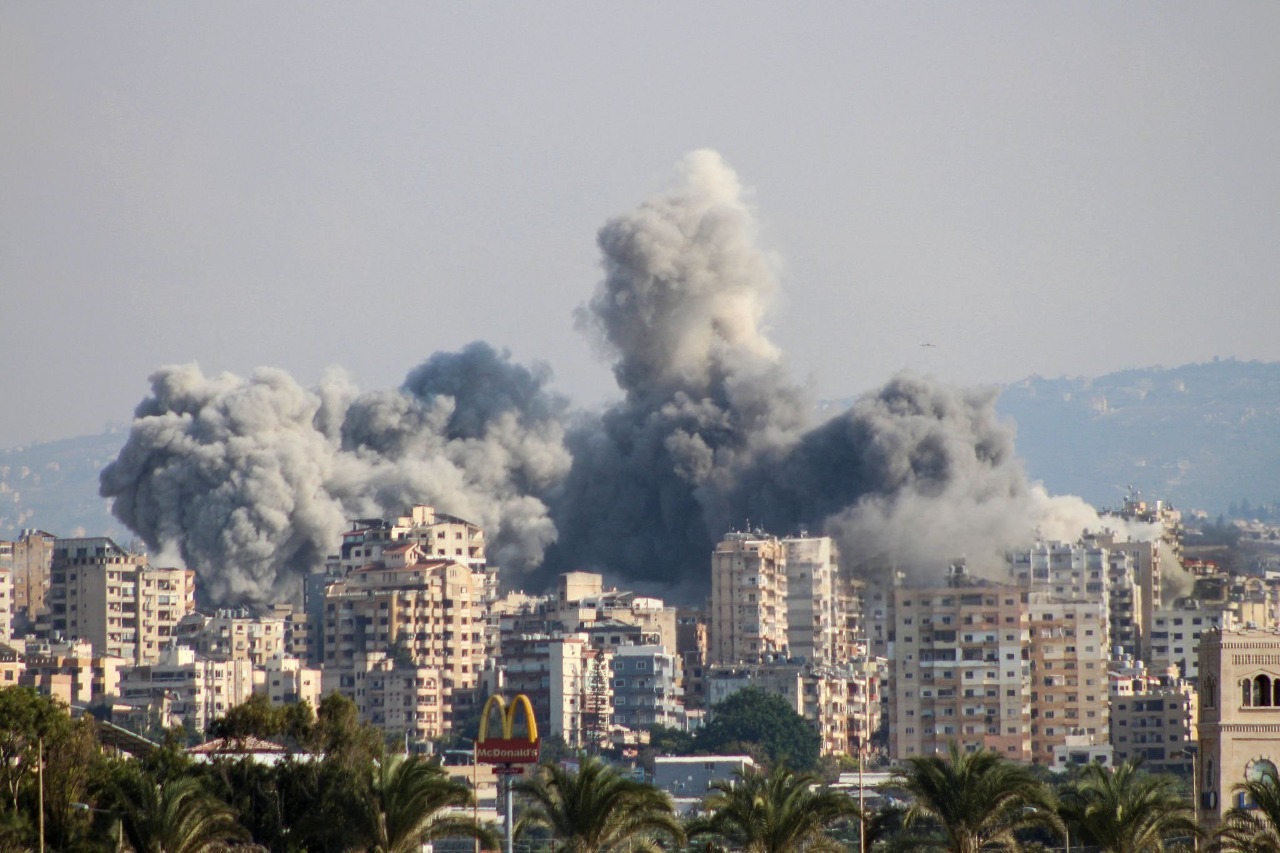
Israeli airstrikes have damaged the Lebanese Italian Hospital in Tyre, wounding dozens and marking another escalation in the intensifying conflict that has engulfed southern Lebanon. As Israeli forces deepen their ground invasion aimed at Hezbollah strongholds, civilians and medical infrastructure find themselves on the front lines. This development reflects not only a sharp rise in violence but also a mounting humanitarian crisis affecting thousands of families.
On April 4, 2026, Israeli jets struck multiple locations in the southern Lebanese city of Tyre, including areas surrounding the Lebanese Italian Hospital. According to Lebanon’s Health Ministry, at least 32 people, including medical responders, were injured in these attacks. Around three paramedics and several civilians were among those wounded.
Despite significant damage to nearby buildings and shattered infrastructure, hospital officials have stated that the facility remains open to treat the wounded. However, windows were blown out and portions of the building were damaged, highlighting the peril that healthcare providers now face in conflict zones.
The assaults on Tyre occurred as Israeli ground forces continue advancing across southern Lebanon, marking one of the most significant military escalations in the region in recent years. Initial confrontations between Hezbollah fighters and Israeli troops began following cross‑border attacks earlier this year, triggering a broader campaign that now extends deep into Lebanese territory.
Israeli authorities have emphasized that these operations are targeted at weakening Hezbollah’s command structures and rocket launch capacities. Nevertheless, the ongoing ground invasion has exacerbated civilian suffering, resulting in mass displacement, destroyed infrastructure, and widespread fear among local communities.
Beyond Tyre, Israeli airstrikes have struck residential areas, key roads, bridges, and service facilities. Local reports indicate that bridges in the Bekaa Valley and critical transit routes have been destroyed, hindering humanitarian aid and evacuation efforts.
In addition, fuel stations, water infrastructure, and essential utilities have been damaged in nearby towns, severely disrupting daily life for residents. Ongoing assaults on fuel depots and road networks have left many families unable to travel for medical help or basic necessities.
The situation in southern Lebanon has deteriorated rapidly. More than 1.2 million people have been displaced since the conflict intensified, with many seeking refuge in safer urban centers like Beirut. Tents, schools, and public spaces have become temporary shelters for families fleeing violence.
Humanitarian agencies warn that the healthcare system is under severe strain, as hospitals struggle to cope with the influx of wounded civilians and limited resources. Despite the risks, medical workers continue to operate in damaged facilities to provide urgent care. The Lebanese Health Ministry has reported numerous injuries among healthcare professionals, underlining the perilous environment they confront daily.
The escalation has drawn concern from international observers. Human rights organizations and foreign governments have condemned strikes that affect civilian infrastructure, calling for restraint and respect for international humanitarian law. Amid mounting casualties and displacement, the urgency for a diplomatic solution grows stronger.
Meanwhile, the United Nations has held emergency sessions to address the crisis, urging all parties to protect civilian lives and work toward de‑escalation. Critics argue that continued hostilities without meaningful negotiations risk further regional destabilization.
Residents of Tyre describe a community torn apart by conflict. Families displaced from surrounding villages face uncertainty about their future, while those who remain struggle to maintain normal life under constant threat. Some have reported that evacuation orders cover most of southern Lebanon, yet many choose to stay close to their homes despite the danger.
Healthcare workers, some of whom were injured in recent strikes, have expressed determination to continue treating patients. At the same time, they warn that ongoing attacks on health facilities could undermine emergency responses and lead to greater loss of life.
Analysts warn that the conflict shows no sign of immediate de‑escalation. With deeper incursions and widening strikes, the cycle of retaliation between Israeli forces and Hezbollah could continue, raising risks for Lebanon’s fragile society and regional stability.
Diplomatic efforts are reportedly underway, but achieving an immediate ceasefire appears difficult as both sides remain entrenched in their positions. Meanwhile, civilians caught in the crossfire continue to bear the brunt of violence and displacement.
The Israeli strikes that damaged the Lebanese Italian Hospital in Tyre represent one of the most significant escalations in the ongoing conflict in southern Lebanon. As ground operations intensify, civilian infrastructure and lives are increasingly at risk. International calls for peace and protection of noncombatants grow louder, yet immediate relief seems uncertain. The unfolding crisis underscores the profound human toll of war — not just on soldiers, but on everyday families seeking safety amid turmoil.