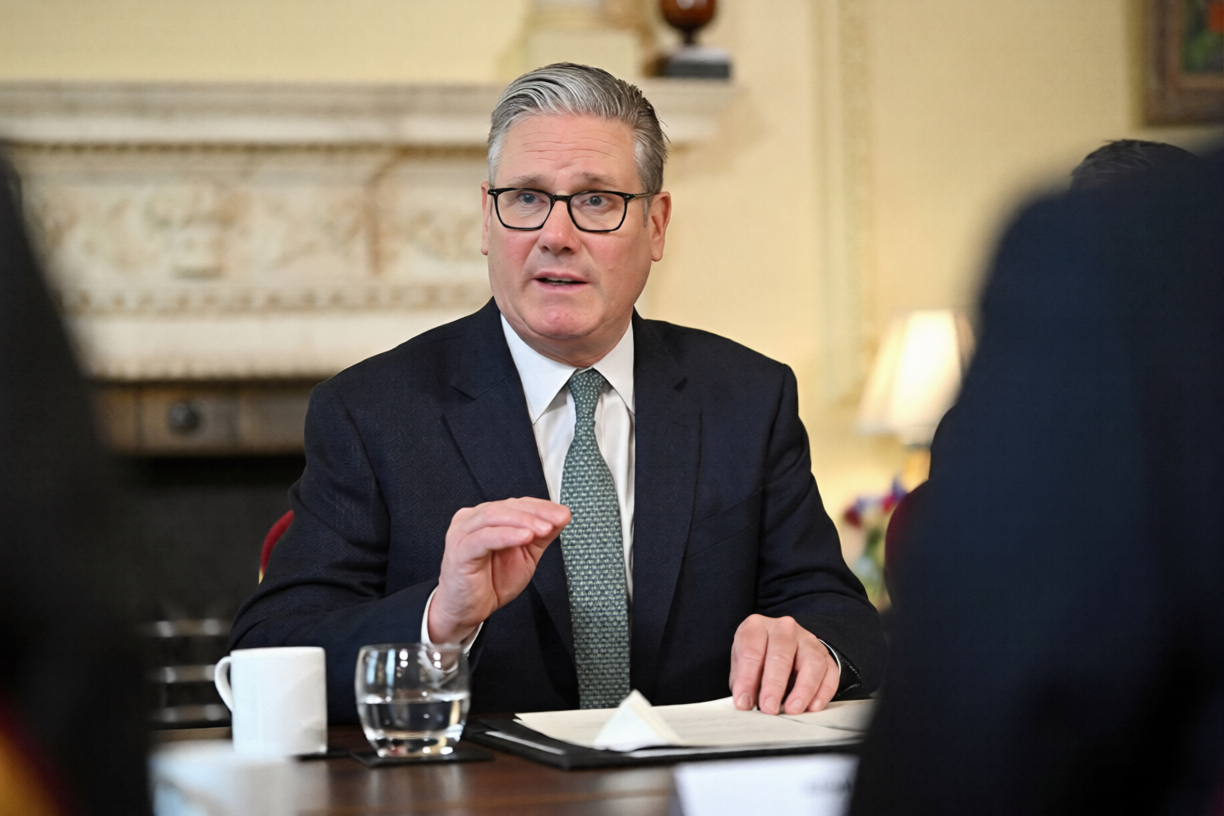
Starmer resignation pressure has intensified across the United Kingdom’s political landscape after a renewed controversy involving Peter Mandelson triggered fresh debate within the Labour Party. The issue has quickly evolved into a broader leadership challenge, placing Keir Starmer under increasing scrutiny from both party members and political observers.
The latest tensions emerged after discussions linked to Mandelson’s influence resurfaced in political discourse. Mandelson, a key architect of Labour’s past electoral strategies, continues to hold symbolic significance within the party. However, many critics argue that his legacy conflicts with the direction Starmer aims to set. As a result, the controversy has reignited internal divisions and contributed directly to Starmer resignation pressure.
Several Labour figures have voiced concerns over the party’s positioning. They believe the leadership must take a clearer stance to maintain credibility among core supporters. In particular, some grassroots members feel disconnected from the party’s current trajectory. Therefore, the Mandelson row has become more than a historical debate; it now reflects ongoing uncertainty about Labour’s identity under Starmer.
At the same time, political opponents have seized the moment to challenge Starmer’s authority. They have highlighted internal disagreements as evidence of weak leadership. This external pressure has amplified the situation and brought Starmer resignation pressure into the national spotlight. Consequently, the issue now extends beyond internal party politics and influences broader public perception.
Despite the criticism, Starmer’s allies have defended his leadership approach. They argue that he has focused on rebuilding Labour’s electoral strength and restoring public trust. According to them, internal disagreements are common in major political parties and do not necessarily indicate a leadership crisis. However, even supporters acknowledge that the current situation requires careful management.
Media coverage has played a significant role in shaping the narrative. Continuous reporting on internal tensions has kept the issue in public view. As a result, the perception of instability has grown, regardless of the actual scale of disagreement. This sustained attention has made it difficult for the leadership to shift focus toward policy initiatives or long-term goals.
Furthermore, analysts suggest that the situation reflects deeper structural challenges within Labour. The party includes a wide range of ideological perspectives, which often creates friction during periods of transition. The renewed focus on Mandelson has reopened old debates, making it harder for the leadership to maintain unity. Consequently, Starmer resignation pressure has become part of a larger pattern of internal conflict.
Starmer faces a critical period. He must address internal concerns while maintaining a strong public image. A clear and decisive response could help stabilize the situation and rebuild confidence within the party. On the other hand, hesitation or ambiguity may allow criticism to grow further. Therefore, his next steps will play a crucial role in shaping both his leadership and Labour’s political future.
The Mandelson row has reignited tensions at a sensitive time for the Labour Party. Starmer resignation pressure continues to rise as internal divisions and external criticism converge. While the outcome remains uncertain, the situation highlights the challenges of leading a major political party in a complex and evolving political environment.