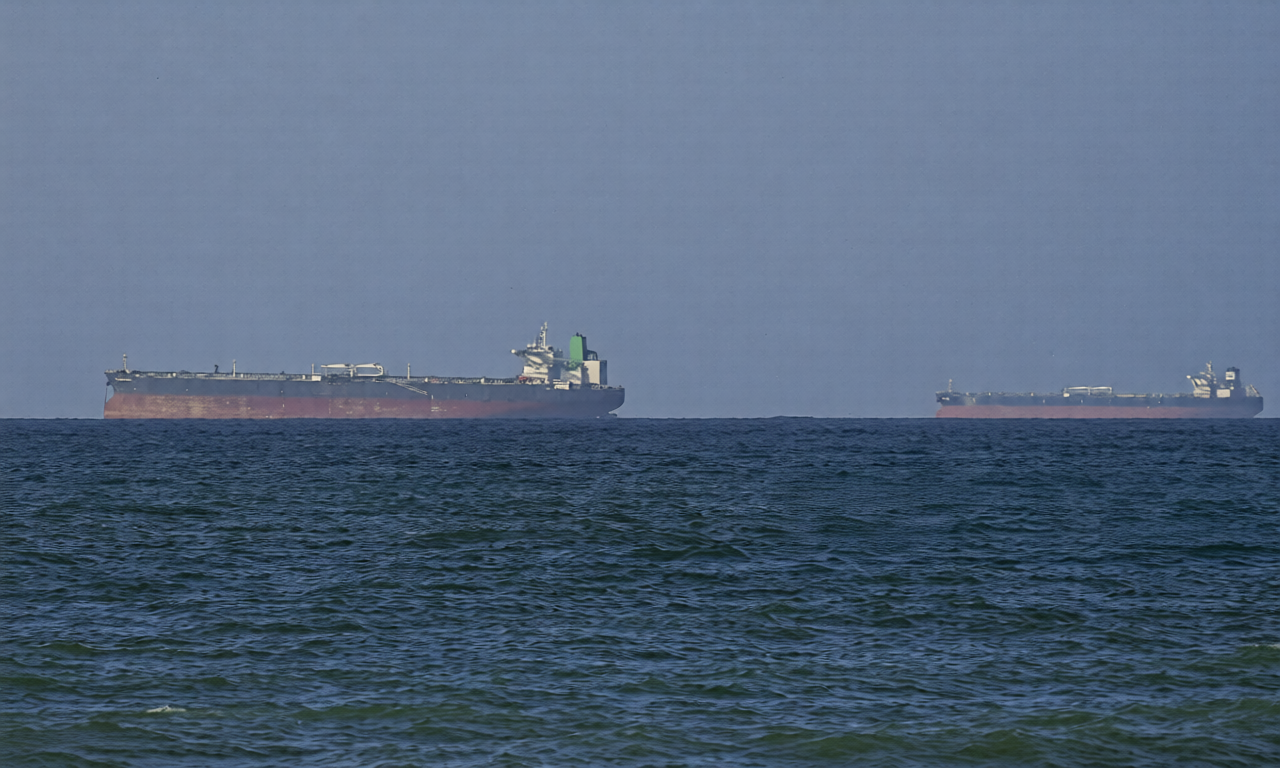
Strait of Hormuz open during truce has brought cautious relief to global energy markets, as Iran confirmed that commercial vessels can pass through the strategic waterway under a temporary ceasefire agreement. The announcement comes after weeks of disruption caused by escalating conflict in the Middle East, which had significantly restricted maritime traffic in one of the world’s most important oil routes.
The Strait of Hormuz open during truce allows ships to resume movement, but under strict conditions set by Iranian authorities. According to official statements, all vessels must follow designated routes and coordinate with Iran’s maritime and security forces before entering the corridor. This controlled reopening highlights that while the situation has improved, it remains far from normal.
Global oil markets responded immediately to the Strait of Hormuz open during truce, with prices dropping sharply as fears of prolonged supply disruption eased. The waterway is responsible for transporting a significant portion of the world’s oil, so any sign of stability directly impacts international trade and energy costs. As a result, investors and shipping companies have reacted with cautious optimism.
Despite this positive development, the Strait of Hormuz open during truce reflects a fragile balance rather than a long-term solution. Military vessels are still restricted, and broader geopolitical tensions between Iran, the United States, and regional actors remain unresolved. Analysts warn that any breakdown in the ceasefire could once again disrupt shipping and trigger volatility in global markets.
Furthermore, the Strait of Hormuz open during truce underscores Iran’s strategic role in global energy security. By allowing controlled access, Iran signals willingness to stabilize the situation temporarily while maintaining leverage in ongoing negotiations. This move also reduces immediate economic pressure on global supply chains, which had been severely impacted during the recent crisis.
The Strait of Hormuz open during truce represents a temporary easing of tensions rather than a permanent resolution. While the reopening has restored partial confidence in global markets, uncertainty continues to surround the region. The coming days will be critical in determining whether this stability can be sustained or if disruptions will return once the ceasefire ends.