Israel Strikes Tehran as Conflict Intensifies
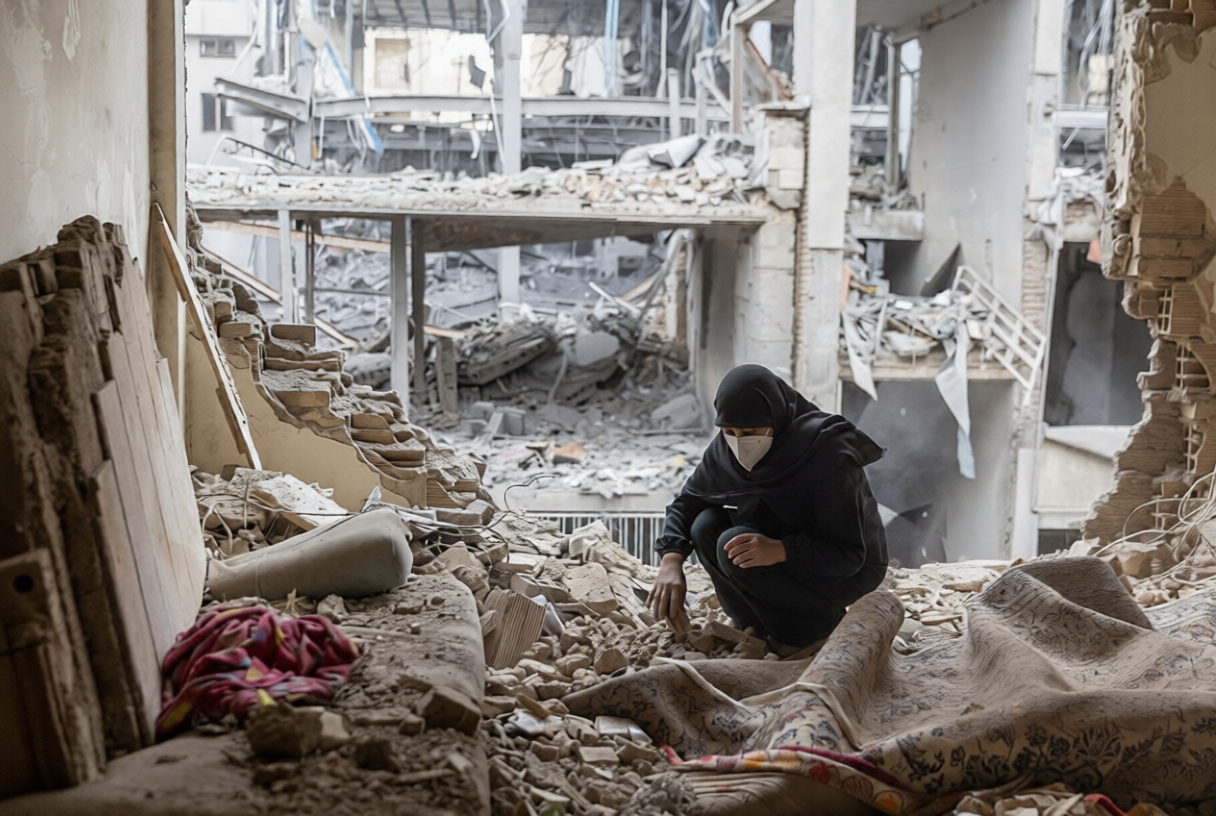
The phrase Israel strikes Tehran has once again dominated global headlines as tensions in the Middle East escalate. On Wednesday, Israeli forces launched fresh airstrikes on Iran’s capital, Tehran, marking another significant moment in the ongoing war between Israel and Iran. According to reports, explosions were heard across parts of the city, with visible damage to residential areas and infrastructure.
Moreover, early reports suggest casualties and injuries among civilians, highlighting the human cost of the conflict. At least one strike reportedly killed over a dozen people and injured several others, emphasizing the growing severity of the situation.
However, these attacks are not isolated. They are part of a broader military campaign that began in late February, when coordinated strikes by Israel and the United States targeted Iranian military and strategic sites. Since then, both sides have continued exchanging attacks, creating a dangerous cycle of escalation.
US Claims Progress in Negotiations
At the same time, the United States has signaled a different approach—diplomacy. Former US President Donald Trump stated that Washington is actively negotiating with Iran to bring an end to the war. He claimed that progress has been made and even suggested that a potential agreement could be on the horizon.
Furthermore, reports indicate that the US has sent a detailed multi-point proposal to Tehran. This plan reportedly includes conditions related to Iran’s nuclear program, missile development, and regional activities.
Nevertheless, Iran has strongly denied that any direct negotiations are taking place. Iranian officials have labeled such claims as “fake news” and insisted that no formal talks have occurred.
This contradiction has created confusion in the international community. While the US presents optimism, Iran’s denial suggests that diplomacy may still be far from success.
Rising Global Concerns and Economic Impact
Meanwhile, the impact of the conflict extends far beyond the battlefield. The ongoing war has triggered what analysts describe as one of the worst energy shocks in recent history. Oil prices have fluctuated dramatically, and global markets remain unstable due to uncertainty in the region.
In addition, the Strait of Hormuz—a critical route for global oil shipments—has become a focal point of tension. Iran has imposed restrictions on certain vessels, raising fears of supply disruptions.
As a result, countries worldwide are closely monitoring the situation. Some have even begun releasing oil reserves or calling for immediate ceasefire efforts to stabilize global markets.
Therefore, the conflict is no longer just a regional issue. It has become a global concern affecting economies, energy security, and political stability.
Human Cost and Regional Instability
Despite political statements and military strategies, the most devastating impact is on ordinary people. Thousands have reportedly been killed since the conflict began, with many more displaced from their homes.
Families in Tehran and other cities are living under constant fear of airstrikes. Similarly, Israeli civilians have faced missile attacks from Iran, forcing them to seek shelter repeatedly. This ongoing exchange has created a humanitarian crisis that continues to worsen each day.
Moreover, neighboring countries are also feeling the pressure. The conflict has spread tensions across the Middle East, increasing the risk of a wider regional war.
Uncertain Path Toward Peace
Although the United States claims progress in negotiations, the path toward peace remains uncertain. On one hand, diplomatic efforts involving countries like Pakistan, Turkey, and Egypt are reportedly underway to mediate between the two sides.
On the other hand, continued military actions undermine these efforts. Israel has made it clear that its operations will continue until its security objectives are achieved. Similarly, Iran has shown no signs of backing down, especially while attacks on its territory persist.
Consequently, the situation remains highly volatile. Any miscalculation could lead to further escalation, making peace even more difficult to achieve.
Conflict Between War and Diplomacy
In conclusion, the situation where Israel strikes Tehran while the US claims to negotiate peace reflects a complex and contradictory reality. On one side, military operations continue with increasing intensity. On the other, diplomatic efforts offer a fragile hope for resolution.
However, the gap between these two paths—war and negotiation—remains wide. Until both sides commit to genuine dialogue, the conflict is likely to persist, affecting not only the Middle East but the entire world.
For now, the world watches closely, hoping that diplomacy will eventually prevail over destruction.