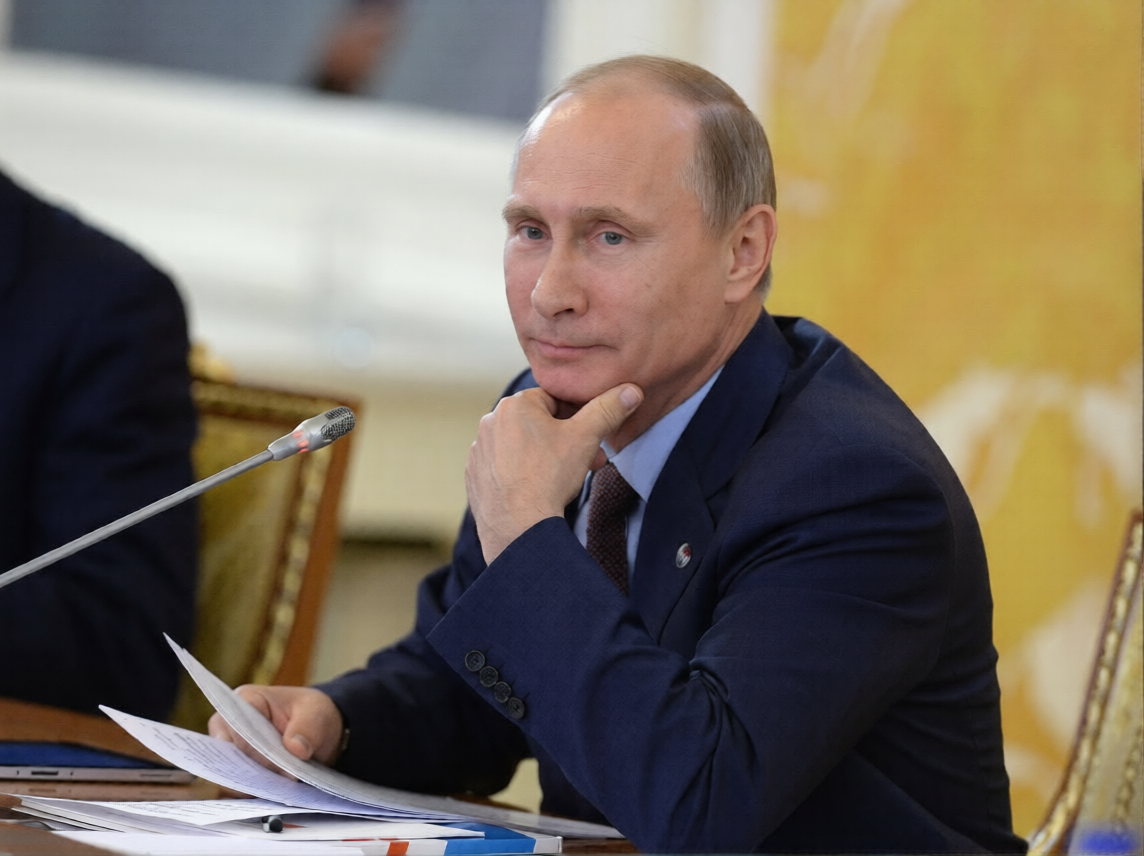
The possibility of a Putin G20 Miami visit has quickly become one of the most discussed developments in global politics. After the United States extended an invitation for the upcoming G20 summit expected to take place in Miami, speculation has grown over whether Vladimir Putin will attend in person. This development comes at a time when diplomatic relations between Russia and Western nations remain tense, making the invitation both significant and controversial.
The G20 Summit is one of the most important global platforms where leaders discuss economic stability, climate challenges, and geopolitical cooperation. Therefore, the presence of Putin at such a forum would not only shape discussions but also signal potential shifts in international diplomacy. According to diplomatic sources, Russia has not yet confirmed participation, but officials have indicated that the invitation is being “carefully considered.”
The United States’ decision to invite Putin reflects a broader strategy of maintaining dialogue even amid ongoing disagreements. While tensions remain high over issues such as Ukraine and economic sanctions, global leaders recognize the importance of keeping communication channels open. As a result, the Putin G20 Miami visit is being viewed as more than a routine diplomatic engagement. Instead, it represents a possible opportunity for dialogue between opposing sides.
Moreover, several analysts believe that if Putin attends, it could lead to direct or indirect interactions with Western leaders. This would mark a rare moment of face-to-face diplomacy in recent times. Although expectations of major breakthroughs remain low, even symbolic meetings could ease tensions or at least prevent further escalation. Consequently, global attention is now focused on Russia’s final decision.
At the same time, reactions from other G20 member nations have been mixed. Some countries support the inclusive approach, arguing that global challenges require cooperation from all major powers. Others, however, have expressed concern, suggesting that inviting Putin may send the wrong message given current geopolitical conflicts. Despite these differences, most leaders agree that the G20 platform should remain open for dialogue.
In addition, the choice of Miami as the host city adds another layer of significance. Hosting the summit in the United States gives Washington greater control over the diplomatic environment, security arrangements, and overall agenda. Therefore, the invitation to Putin is seen as a deliberate move rather than a routine protocol decision.
From an economic perspective, the Putin G20 Miami visit could also influence global markets. Investors often react to signals of stability or instability in international relations. If the visit leads to constructive discussions, markets may respond positively. On the other hand, any sign of confrontation could increase uncertainty. As a result, financial analysts are closely monitoring developments related to the summit.
Furthermore, public opinion remains divided. While some view the invitation as a necessary step toward diplomacy, others criticize it as premature. This debate highlights the complex nature of international relations, where decisions often involve balancing political realities with long-term goals.
As the summit approaches, all eyes will remain on Moscow’s response. Whether Putin chooses to attend or not, the situation has already highlighted the importance of dialogue in a fragmented world. Ultimately, the Putin G20 Miami visit could either open the door to renewed communication or reinforce existing divisions. Either way, its impact on global politics will be closely observed in the coming weeks.