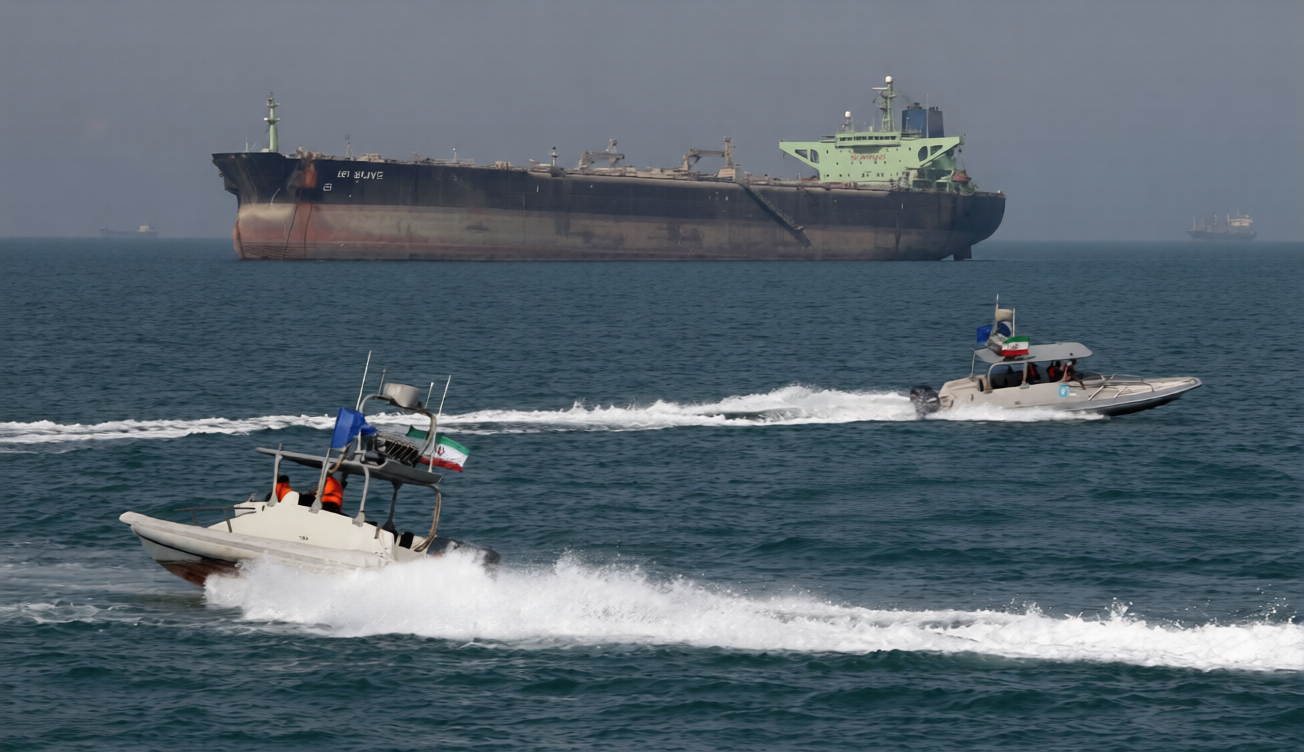
The US shuts down Iran maritime trade has become one of the most significant geopolitical developments in recent days, signaling a sharp escalation in tensions despite earlier optimism surrounding renewed diplomatic talks. The move reflects a calculated strategy aimed at tightening economic pressure on Tehran while simultaneously asserting control over key maritime routes that are vital for global energy supplies.
In the early hours of the operation, US naval forces reportedly increased surveillance and enforcement activities across critical shipping corridors in the Gulf. These waters are essential for Iran’s oil exports, and any disruption carries immediate consequences not only for Iran’s economy but also for international markets that rely heavily on steady oil flows. As a result, the decision has drawn attention from policymakers, analysts, and investors worldwide.
The background to this development is complex. For months, there had been cautious optimism that dialogue between Washington and Tehran might lead to a gradual easing of tensions. However, the latest action suggests that strategic interests and security concerns continue to outweigh diplomatic progress. By choosing to restrict maritime trade, the United States is sending a clear message that it is prepared to enforce its policies more aggressively if necessary.
From an economic perspective, the impact of the decision is already being felt. Iran relies heavily on maritime routes to export oil and other goods, which are crucial sources of national revenue. Therefore, any disruption significantly weakens its economic stability. At the same time, global oil prices have shown signs of volatility, as traders react to the possibility of reduced supply from one of the region’s key producers. This uncertainty adds another layer of complexity to an already fragile global economy.
Moreover, the move has implications beyond economics. It also raises concerns about security in the Gulf region, where tensions have historically led to broader conflicts. Increased military presence and enforcement actions heighten the risk of miscalculation, which could quickly escalate into a larger confrontation. Consequently, regional actors are closely monitoring the situation, while international organizations are urging restraint from all sides.
Another important dimension is the effect on global shipping. The Gulf serves as a major transit point for international trade, particularly energy shipments. When the US shuts down Iran maritime trade, it inevitably affects shipping routes, insurance costs, and logistical planning. Shipping companies may need to reroute vessels or increase security measures, which in turn raises operational costs and delays deliveries. These changes can ripple through supply chains, ultimately affecting consumers around the world.
Despite the tension, diplomatic channels have not been entirely closed. Officials from both sides have indicated that communication remains ongoing, even if progress appears limited at this stage. This dual approach—combining pressure with the possibility of dialogue—is a familiar tactic in international relations. However, its effectiveness depends largely on how each side interprets the other’s actions.
Public reaction to the development has been mixed. Some observers view the decision as a necessary step to enforce international norms and prevent destabilizing activities. Others argue that it risks undermining diplomatic efforts and could push the region closer to conflict. This divide highlights the broader debate over how best to manage complex geopolitical challenges in a rapidly changing world.
Importantly, the US shuts down Iran maritime trade is not an isolated event but part of a broader strategy that includes economic sanctions, political pressure, and military readiness. Each of these elements works together to shape the overall approach toward Iran. Therefore, understanding this move requires looking beyond the immediate headlines and considering the long-term objectives behind it.
As the situation continues to evolve, several key questions remain unanswered. Will this action lead to further escalation, or will it bring Iran back to the negotiating table? How will global markets adapt to potential disruptions in oil supply? And perhaps most importantly, can diplomatic efforts regain momentum before tensions spiral out of control?
The decision that US shuts down Iran maritime trade marks a critical moment in international relations. It underscores the fragile balance between diplomacy and enforcement, as well as the far-reaching consequences of actions taken in one of the world’s most strategically important regions. While the immediate effects are already visible, the long-term impact will depend on how both sides navigate the challenges ahead.