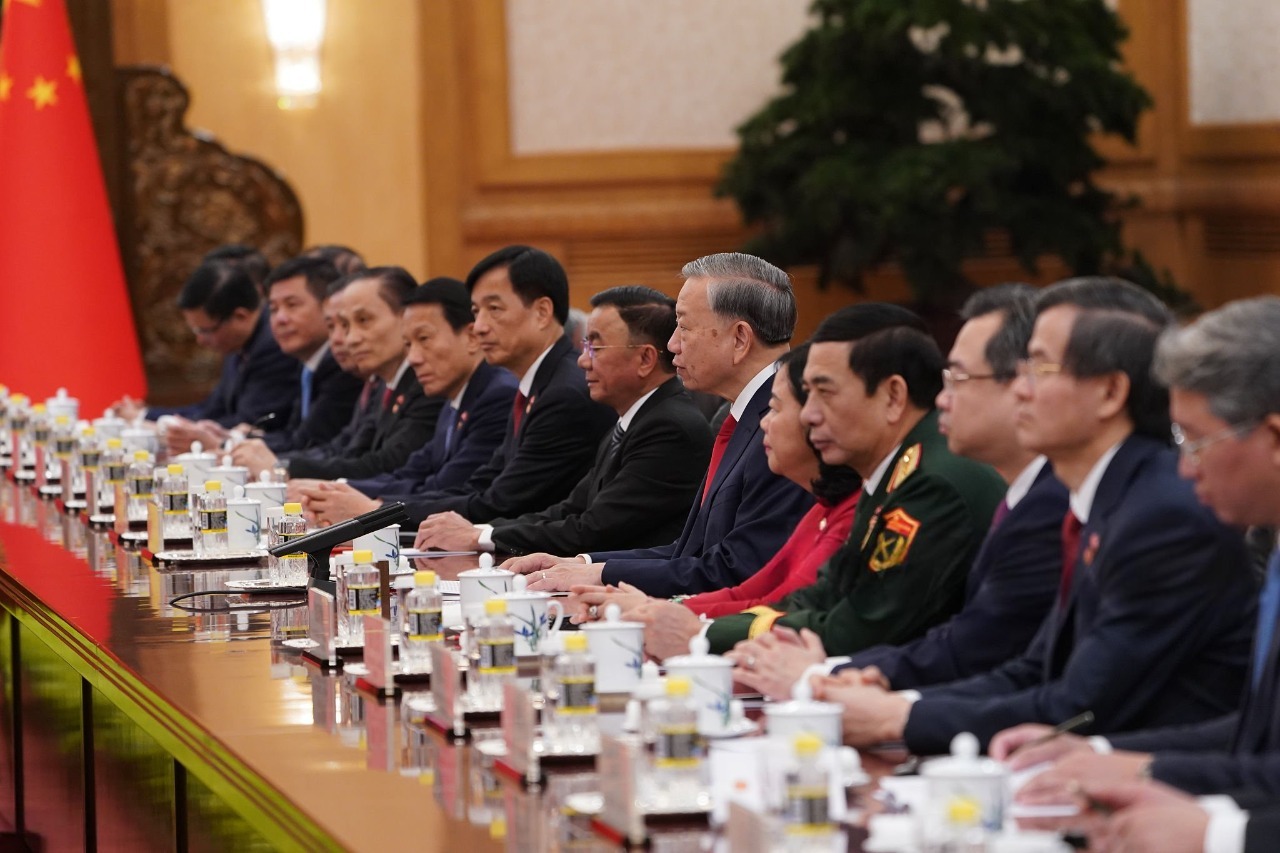
China’s Xi calls for strategic clarity, political security with Vietnam during a high-level diplomatic engagement that highlights the growing importance of regional stability and mutual trust in Southeast Asia. The discussions reflect a continued effort by both nations to manage complex geopolitical dynamics while strengthening long-term cooperation in trade, infrastructure, and security.
The meeting, which brought together senior leaders from China and Vietnam, focused on enhancing strategic communication and ensuring political stability in a rapidly changing global environment. In recent years, both countries have expanded their economic ties significantly, even as they continue to navigate sensitive territorial and maritime issues in the South China Sea. Despite these challenges, both sides have repeatedly expressed interest in maintaining peace and avoiding escalation.
According to diplomatic observers, China’s leadership emphasized the importance of maintaining what was described as “strategic clarity” in bilateral relations. This includes a clearer understanding of each country’s development priorities and political frameworks. At the same time, both sides highlighted the idea of “political security” as a key pillar for ensuring that cooperation remains stable and resilient, even during periods of external pressure or global uncertainty.
During the discussions, Xi Jinping underscored the need for both countries to align their development strategies more closely. He reportedly stressed that mutual respect and non-interference in internal affairs remain fundamental principles guiding China’s foreign policy approach toward its neighbors. In addition, he pointed out that stronger coordination could help both sides respond more effectively to global economic fluctuations and regional security challenges.
On the Vietnamese side, leaders from Vietnam reiterated their commitment to maintaining a balanced foreign policy that supports economic growth while preserving national sovereignty. Vietnam has consistently pursued a diplomatic strategy that emphasizes cooperation with major powers, including China, while also strengthening ties with other global partners.
Economically, China and Vietnam have become increasingly interconnected over the past decade. China remains one of Vietnam’s largest trading partners, with bilateral trade reaching record levels in recent years. Infrastructure cooperation, particularly under regional connectivity initiatives, has also played a significant role in shaping the relationship. Projects involving railways, ports, and cross-border trade zones have contributed to improved logistics and economic integration.
However, despite strong economic ties, political sensitivities remain a key factor in the relationship. Maritime disputes in the South China Sea continue to require careful management, as both countries assert overlapping claims in certain areas. Diplomatic dialogue has therefore become essential in preventing misunderstandings and maintaining regional stability.
In this context, the call for strategic clarity is seen as an effort to reduce ambiguity in communication and policy expectations. By establishing clearer frameworks for cooperation, both countries aim to avoid potential friction and build a more predictable bilateral relationship. Political security, as discussed in the meeting, also reflects concerns about safeguarding national stability while engaging in deeper international cooperation.
Analysts note that the timing of this diplomatic engagement is significant. Southeast Asia is currently experiencing shifting geopolitical dynamics, with major powers increasing their presence in the region. As a result, countries like Vietnam are carefully balancing their relationships and maximizing economic opportunities while not compromising sovereignty or security.
The discussions also touched on broader regional development goals, including sustainable growth, technological cooperation, and climate-related initiatives. Both China and Vietnam have expressed interest in expanding collaboration in renewable energy, digital economy development, and cross-border innovation. These areas are expected to play a crucial role in shaping the next phase of bilateral relations.
Furthermore, both countries highlighted cultural and people-to-people exchanges as an important foundation for long-term friendship. They are encouraging educational programs, tourism, and youth engagement initiatives to strengthen mutual understanding between the two societies. These soft diplomacy efforts now play an increasingly essential role in building trust beyond government-level interactions.
Despite occasional tensions, both sides appear committed to maintaining a constructive relationship. The emphasis on dialogue and strategic coordination suggests a shared interest in ensuring that competition does not overshadow cooperation. In fact, many regional experts believe that stable China–Vietnam relations are critical for broader peace and economic development in Asia.
Looking ahead, the focus on strategic clarity and political security may serve as guiding principles for future engagements. As global uncertainties continue to evolve, both nations are likely to rely on sustained diplomatic communication to manage differences and expand areas of cooperation.
Ultimately, China’s Xi calls for strategic clarity, political security with Vietnam reflects not only a diplomatic message but also a broader vision of regional stability. By reinforcing dialogue, strengthening economic ties, and addressing sensitive issues through negotiation, both China and Vietnam aim to build a more stable and mutually beneficial partnership in the years ahead.