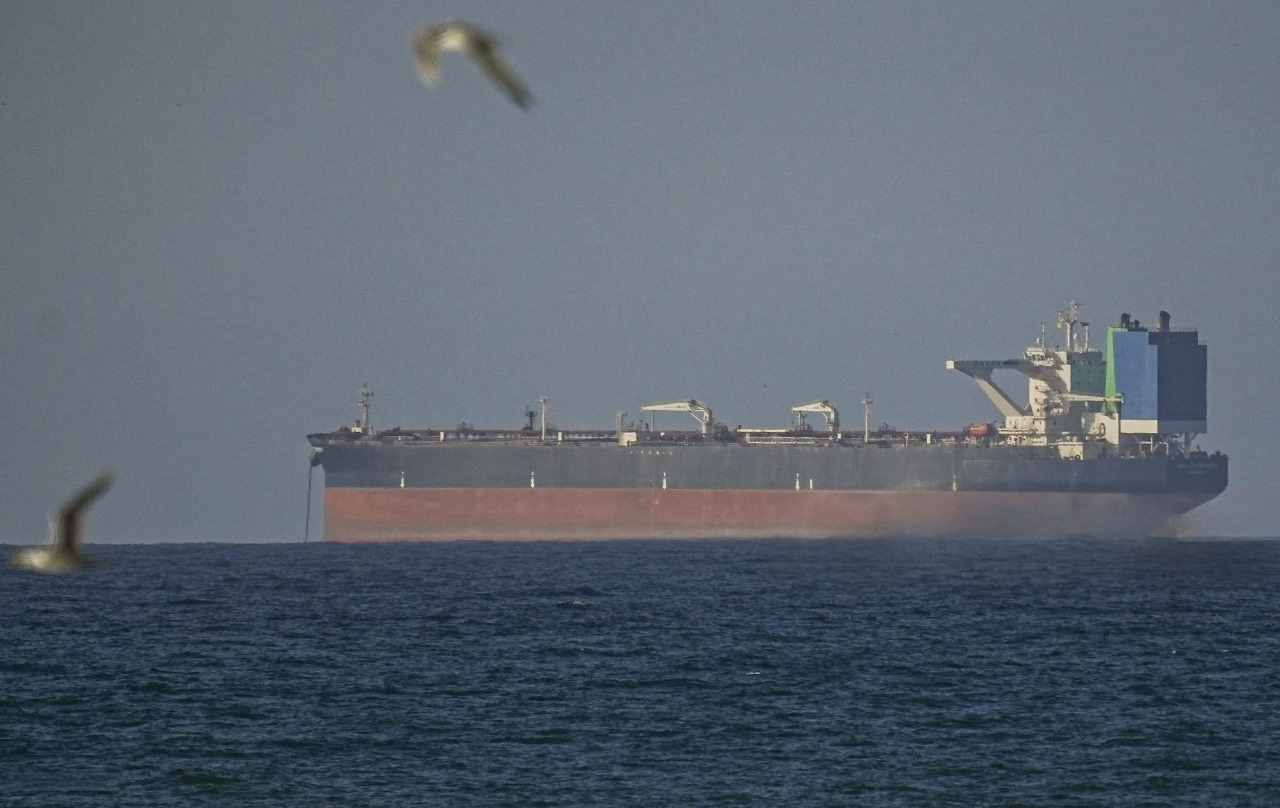
Iran safe exit ships Hormuz has become a major topic in global geopolitical discussions. Tehran has signaled that it may allow vessels to leave the Strait of Hormuz through a safer route near Oman. The proposal comes as tensions remain high in the Middle East.
Sources familiar with diplomatic communication say Iran raised the idea informally. The goal appears to be reducing escalation risks while maintaining strategic control in the region. The Strait of Hormuz links the Persian Gulf with the Arabian Sea. It handles a large share of global oil shipments.
The Iran safe exit ships Hormuz plan focuses on a controlled maritime path. Ships would exit through waters closer to Oman instead of higher-risk zones. Officials have not confirmed any formal agreement. However, the idea suggests a softer diplomatic tone from Tehran.
Shipping companies are watching the situation closely. Even small disruptions in the Strait of Hormuz often affect oil prices. Insurance costs also rise quickly during uncertainty. Because of this, any safety proposal attracts strong attention from global markets.
Analysts remain cautious about the proposal. Iran has used the strait as a strategic pressure point in past conflicts. This history makes investors and operators careful. The plan may reduce short-term risk, but it does not remove long-term political tension.
Oman plays an important role in the discussion. The country maintains a neutral foreign policy. It has often acted as a mediator between Iran and Western states. A route near Oman could help build trust between sides.
Maritime experts say a defined exit corridor could reduce confusion at sea. In recent years, several incidents have involved tankers and surveillance operations in the region. A clearer route may lower the chance of miscalculation.
However, key details remain unclear. No authority has explained how the system would work. It is still unknown whether ships will need permission before entry or exit. It is also unclear if naval escorts will be involved. Because of this uncertainty, many shipping operators are waiting before changing routes.
The wider geopolitical situation also affects the proposal. Iran and Western countries continue to face tension over sanctions and nuclear issues. These disputes shape how every regional initiative is viewed. As a result, the proposal carries both strategic and political meaning.
Energy markets have reacted with caution. Oil prices have not shown major changes yet. Traders are still assessing the real impact of the proposal. Stability in the Strait of Hormuz remains important for global energy flow.
The situation shows how fragile maritime security can be in the region. Countries want control over strategic waterways. At the same time, global trade depends on open and safe routes. This creates a constant balance between pressure and cooperation.
The Iran safe exit ships Hormuz proposal reflects early diplomatic signaling. It may not be a formal agreement yet. Still, it shows a possible effort to reduce tension through limited cooperation. Even informal ideas can influence market behavior.
Future progress depends on international response. If regional powers support the idea, it may lead to stronger coordination. If not, the proposal may stay symbolic. For now, uncertainty remains high.
The Strait of Hormuz continues to be one of the world’s most sensitive shipping routes. Any change in its security situation affects global trade. The proposal offers a possible step toward safer navigation, but its outcome is still unclear.